
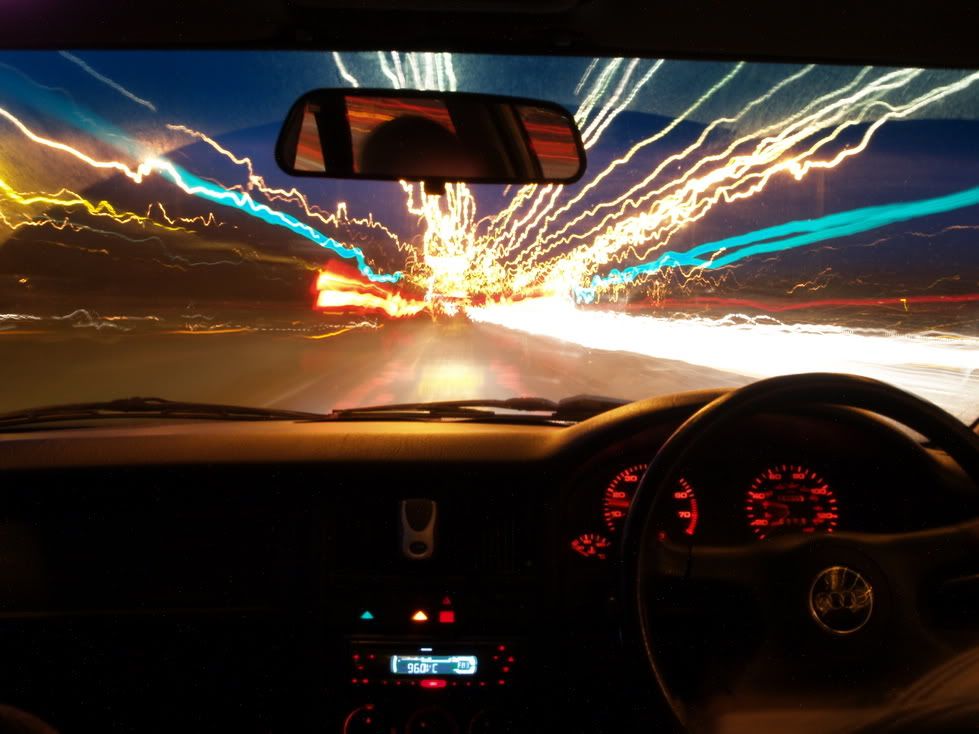
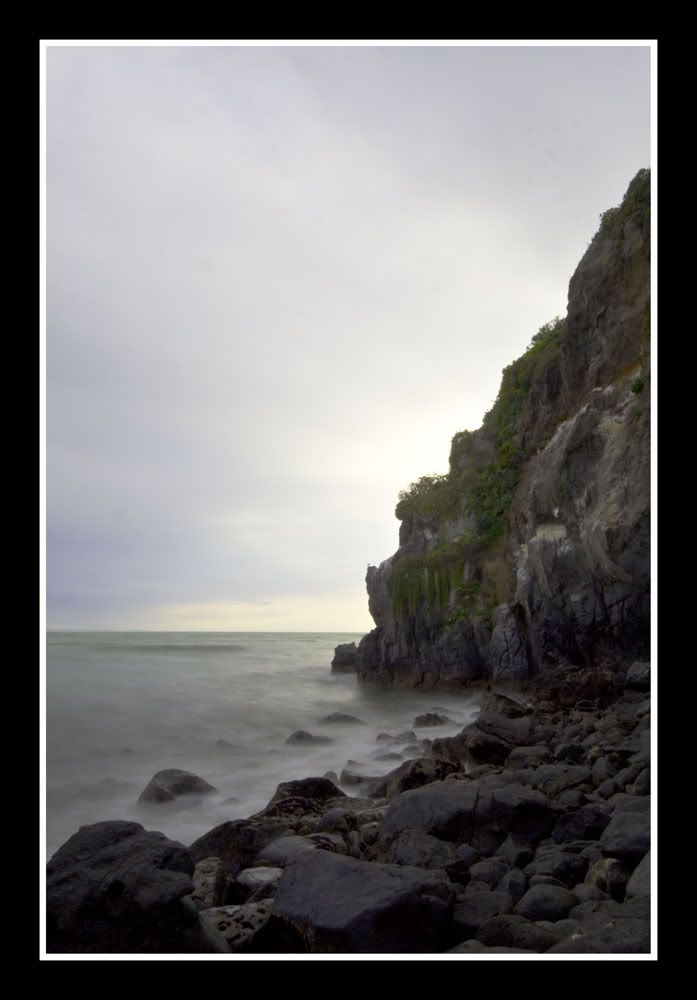
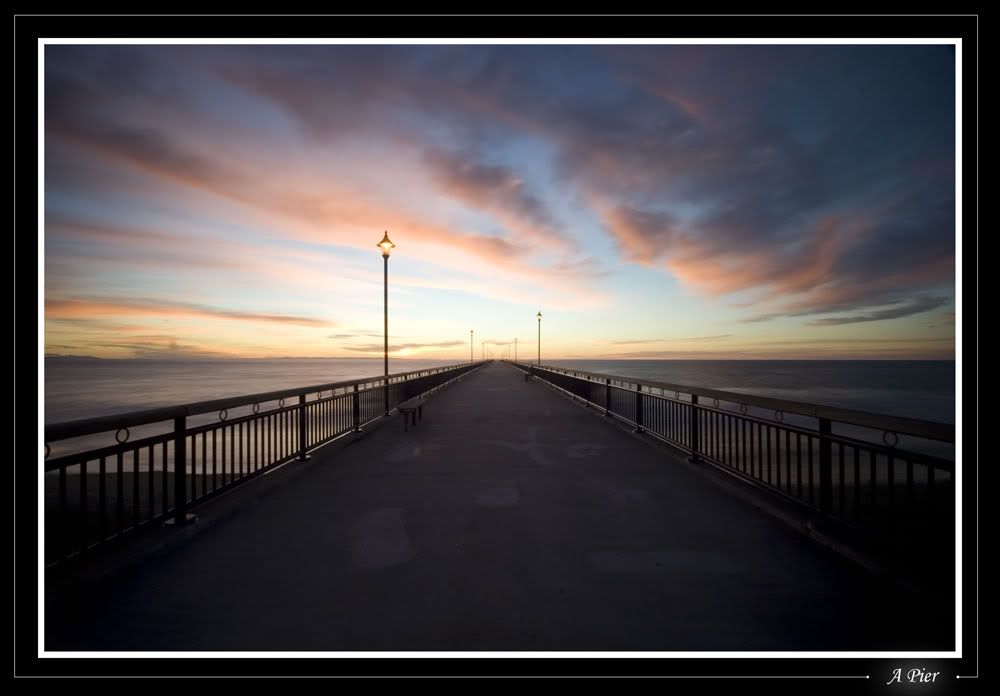
30 seconds exposure
Discussion


Evening,
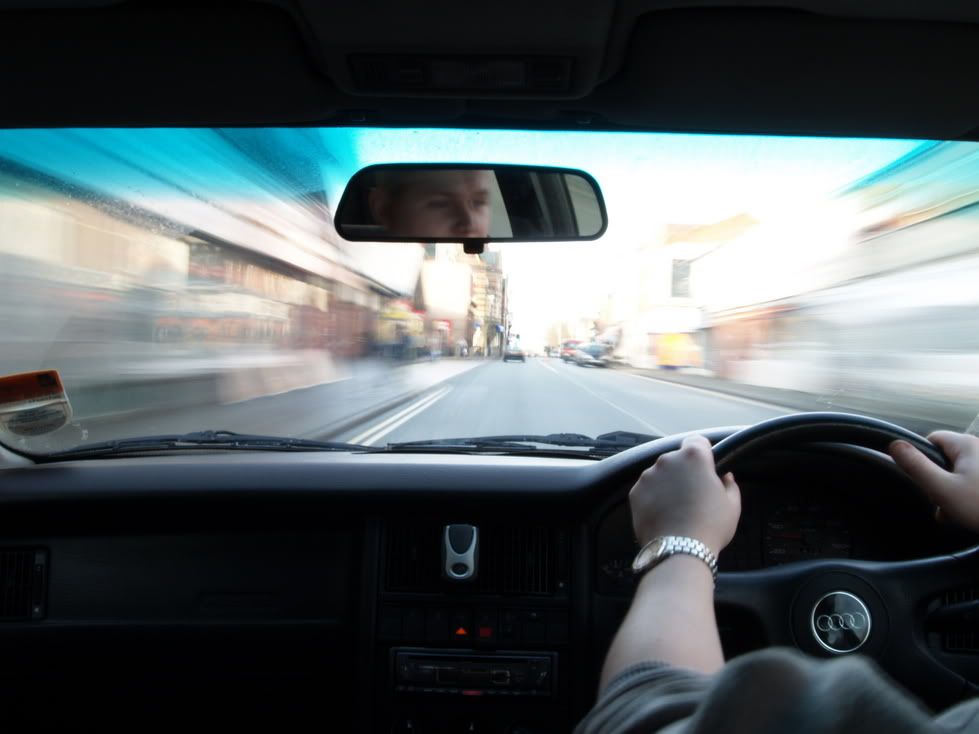
I have tried a few times at this type of shot of my car, and finally succeeded (at last).

There's a larger version if you fancy a look.
Got any long exposure shots?
Cheers,
Neil.
I have tried a few times at this type of shot of my car, and finally succeeded (at last).
There's a larger version if you fancy a look.
Got any long exposure shots?
Cheers,
Neil.
Edited by hawkaye on Sunday 25th November 17:48
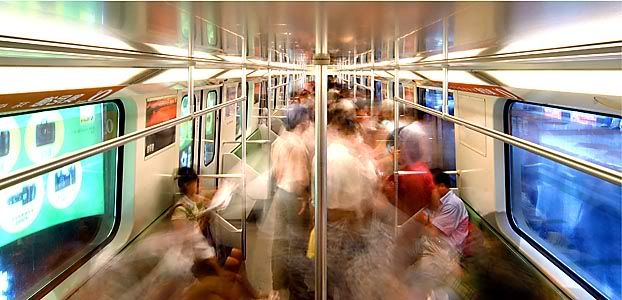

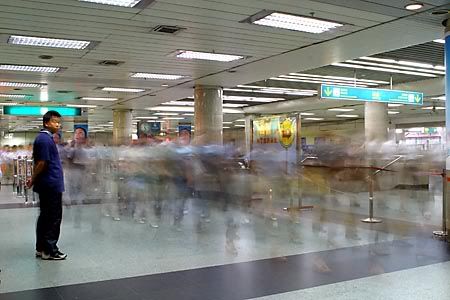






You dont need the lightmeter, your camera has a sophisitcated light meeter already.
For long exposure you basicaly want to shoot as normal apart from a few things. 1st get the camera rock solid.
Then in Av mode (for up to 30 second shots), with whatever meetering you want to use, set the ISO to lowest (100) and the Apature to the smallest (f22 etc). This will give you a baseline long shutter shot. Also stick on in camera noise reduction if you want (will shoot again for the same time after, but black, and subtract the noise from the first shot).
For longer exposures you'll need neutral density filters, less light and/or bulb exposures (manual shutter length shots, usualybest with a cable release).
Thanks but it's the longer length shots I'd liek help with. The Canon can do 30 seconds (I think) but on bulb I have no way of knowing if it should be 1 min, 2 mins or 5 mins. I know I can use trial and error, but for each shot it could get tiresome - is there a way I can use a light meter?
Your camera meter will be more sensitive than an old lightmeter. You need to read up on light exposure values (stops). Basically 2x the light of exposure gives twice the light, as does twice the is, as does twice as big an apperture (by area)
Therefore 30s 100 ISO F16 = 30s 200ISO F16 = 60s 100ISO F22 etc.
If you increase the iso by a stop for example (say from 200ISO to 400ISO (2x)) you need to decrease the exposure length by 1 stop (say from 1/50 Sec to 1/100) OR select an aperture one stop smaller (say from F5.6 to F4) to get the smae overall amount of light.
For what you want to do to meter over 30sec, set the camera to shutter priority and 30secs exp, with ISO set to 100 and read what it suggests for apperture. If it's say F8, then you could shoot at 30s F8, or 60s F16, or 120s F22 etc, and get the same amount of light. Stick it in manual on bulb, dial in the apperture and get the stop watch.
Hope this vaguely makes sense!


hawkaye said:
jeez, there's some stunning shots above, great work!
 I agree with you on this one, it's amazing

I have a mixed opinion, at first it's really nice but after a long look it looks too (fake?) wrong word to use really? Dogsey said:
Gemm said:
Shot it this morning. 2 minute exposure.

Flippin' heck Gemm, that's gorgeous!VxDuncan said:
Your camera meter will be more sensitive than an old lightmeter. You need to read up on light exposure values (stops). Basically 2x the light of exposure gives twice the light, as does twice the is, as does twice as big an apperture (by area)
Therefore 30s 100 ISO F16 = 30s 200ISO F16 = 60s 100ISO F22 etc.
If you increase the iso by a stop for example (say from 200ISO to 400ISO (2x)) you need to decrease the exposure length by 1 stop (say from 1/50 Sec to 1/100) OR select an aperture one stop smaller (say from F5.6 to F4) to get the smae overall amount of light.
For what you want to do to meter over 30sec, set the camera to shutter priority and 30secs exp, with ISO set to 100 and read what it suggests for apperture. If it's say F8, then you could shoot at 30s F8, or 60s F16, or 120s F22 etc, and get the same amount of light. Stick it in manual on bulb, dial in the apperture and get the stop watch.
Hope this vaguely makes sense!
Thanks, vaguely makes complete sense - just need to have the camera in hand now to try it. Not too sure about this bit thoughTherefore 30s 100 ISO F16 = 30s 200ISO F16 = 60s 100ISO F22 etc.
If you increase the iso by a stop for example (say from 200ISO to 400ISO (2x)) you need to decrease the exposure length by 1 stop (say from 1/50 Sec to 1/100) OR select an aperture one stop smaller (say from F5.6 to F4) to get the smae overall amount of light.
For what you want to do to meter over 30sec, set the camera to shutter priority and 30secs exp, with ISO set to 100 and read what it suggests for apperture. If it's say F8, then you could shoot at 30s F8, or 60s F16, or 120s F22 etc, and get the same amount of light. Stick it in manual on bulb, dial in the apperture and get the stop watch.
Hope this vaguely makes sense!
said:
Therefore 30s 100 ISO F16 = 30s 200ISO F16 = 60s 100ISO F22 etc.
Should it be said:
Therefore 30s 100 ISO F16 = 15s 200ISO F16 = 60s 100ISO F22 etc.
or have I not understood properly?
Gassing Station | Photography & Video | Top of Page | What's New | My Stuff