
2026 Porsche 911 GT3 S/C | PH Review
Crime against humanity or the greatest ever companion for a sunny day?
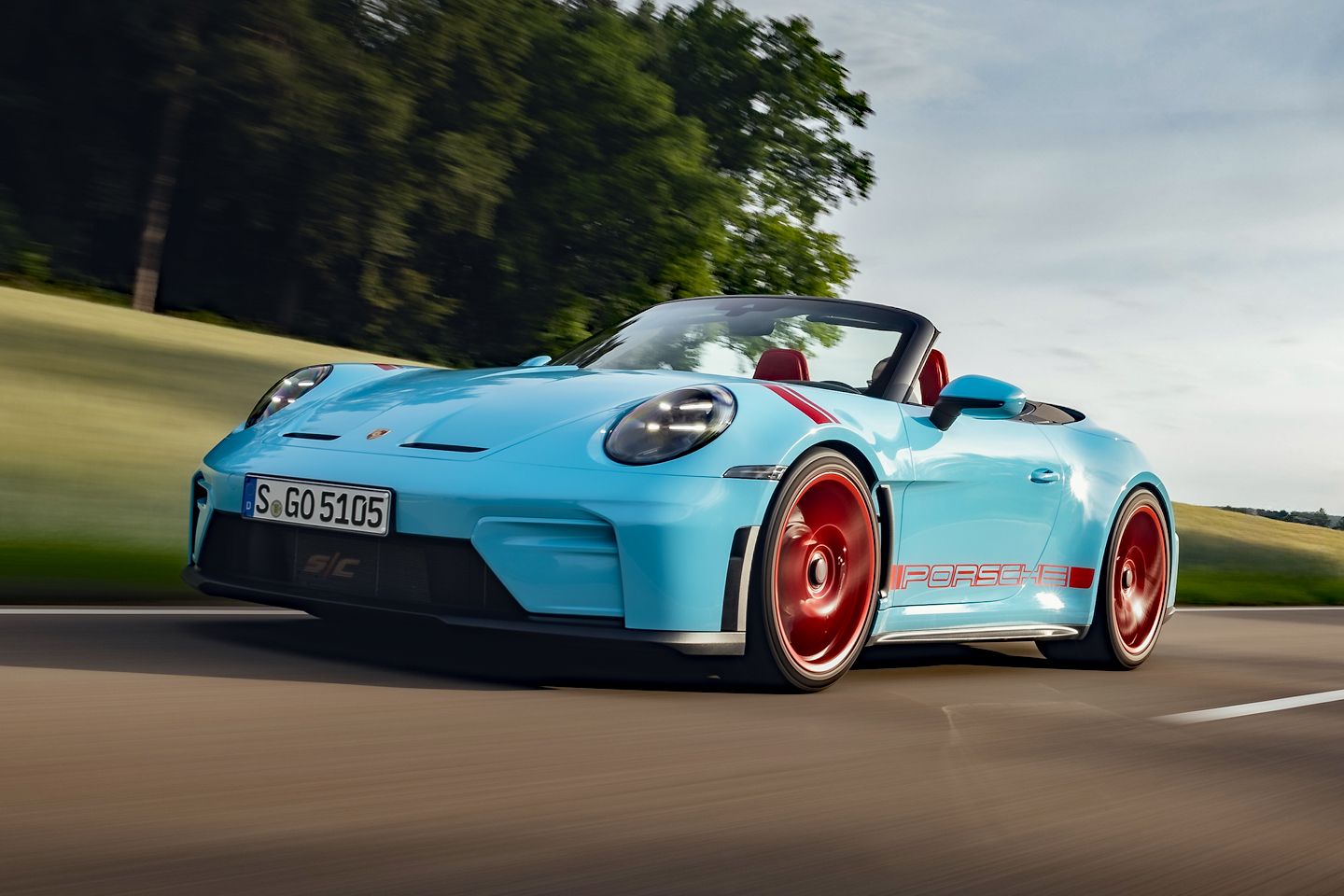
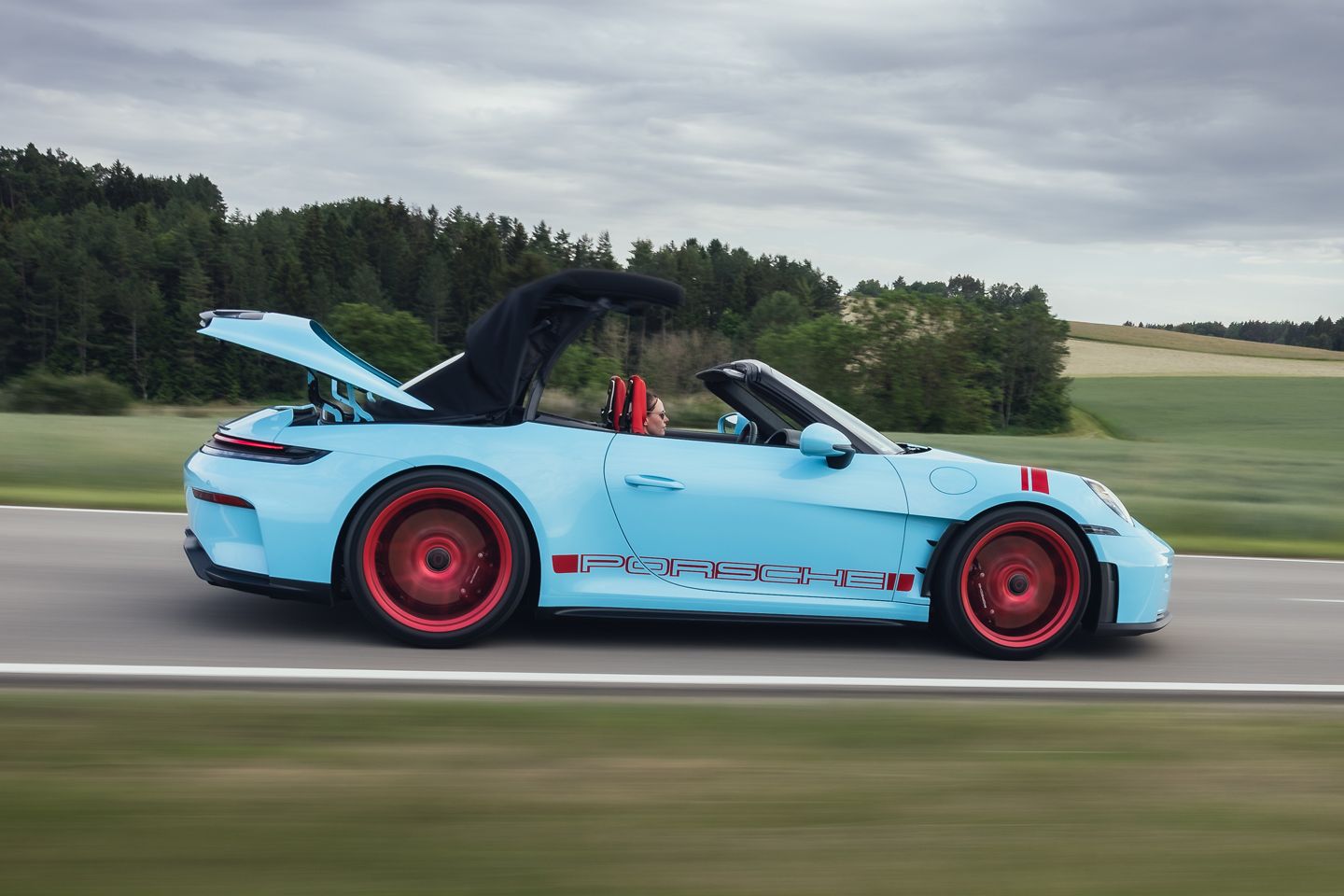
While making the first roof-off GT3 clearly hasn’t provoked the kind of controversy that greeted an all-electric Ferrari, Porsche GT fans still have reason to be concerned. Applying the GT3 formula to a Cabriolet body has seen some PHers suggest that it might harm the credibility of the entire Porsche GT lineup. It is, of course, for good reason that never before have both a GT3 flat-six and chassis setup been offered in an open-top 911 bodyshell. When it comes to GT products, structural rigidity matters. A lot.
The 911 Cab body has always required strengthening and bracing to make it stiff enough even for non-GT purposes. You may remember that the 991 swansong, the Speedster, received a raft of such bits to successfully adopt a manually-operated soft top - and that wasn’t technically a red-blooded GT model, with no GT3 in its name. Granted, it did come from Porsche’s GT department, and it did receive a higher-grade 4.0-litre than the GT3, but it used a softer suspension setup than the 991.2 coupe model and was therefore slightly watered down for its open-top duties.
That cannot be the case for a fully paid-up member of the GT3 family like the S/C, however, and it isn’t. Thanks in part to the demands of ever more-stringent crash safety standards, the 992.2 Cab body is said to be 25 per cent stiffer than the 991.2 structure of the Speedster. It’s so stiff out of the box that GT department director Andreas Preuninger told PH that even he was genuinely surprised after early tests in the first S/C prototype (a skunk works build using an old 992 Carrera prototype) to learn that no modifications were needed. The chassis setup of the S/C - from spring rates to Cup 2 rubber and even geometry - is therefore identical to the GT3 coupe.
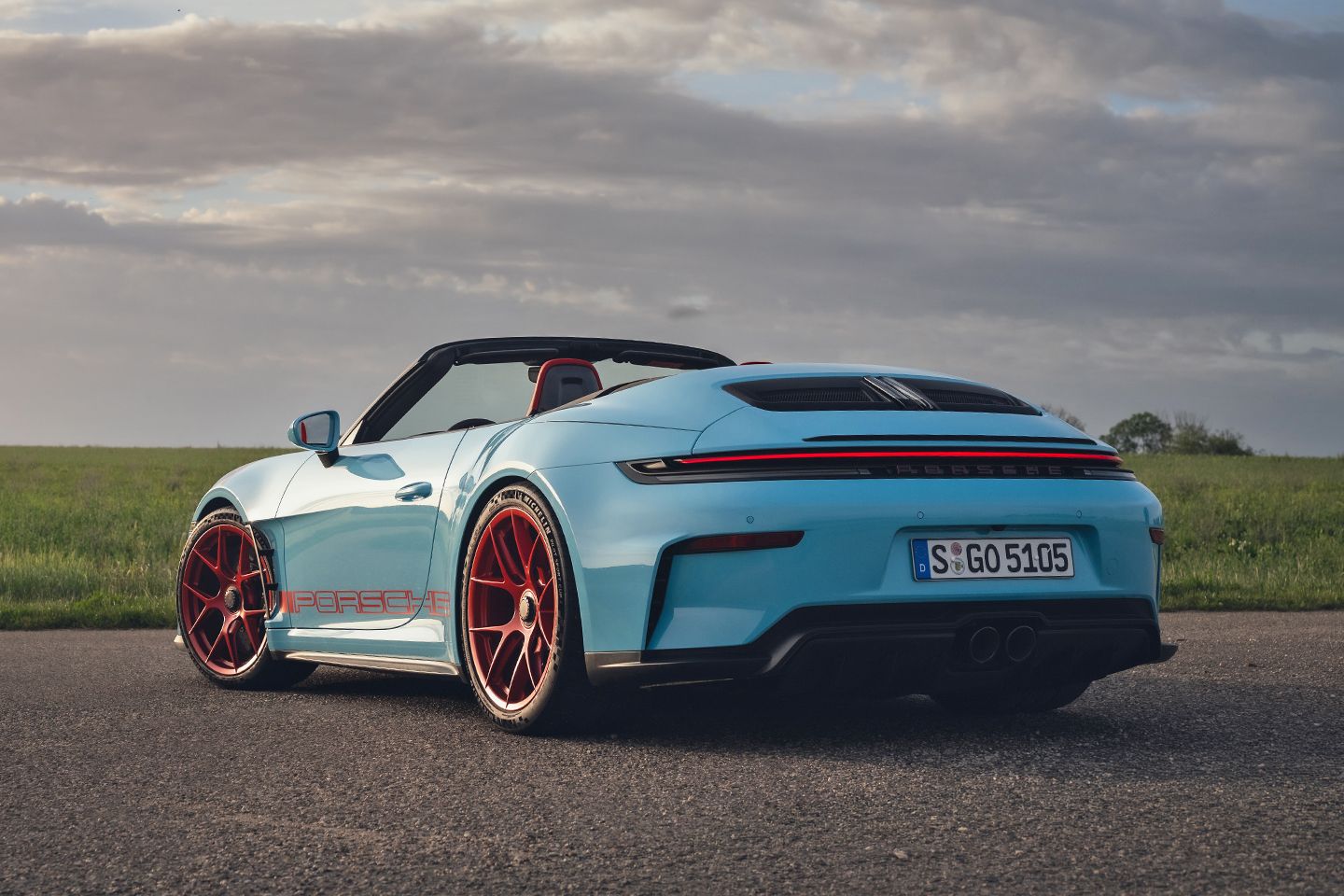
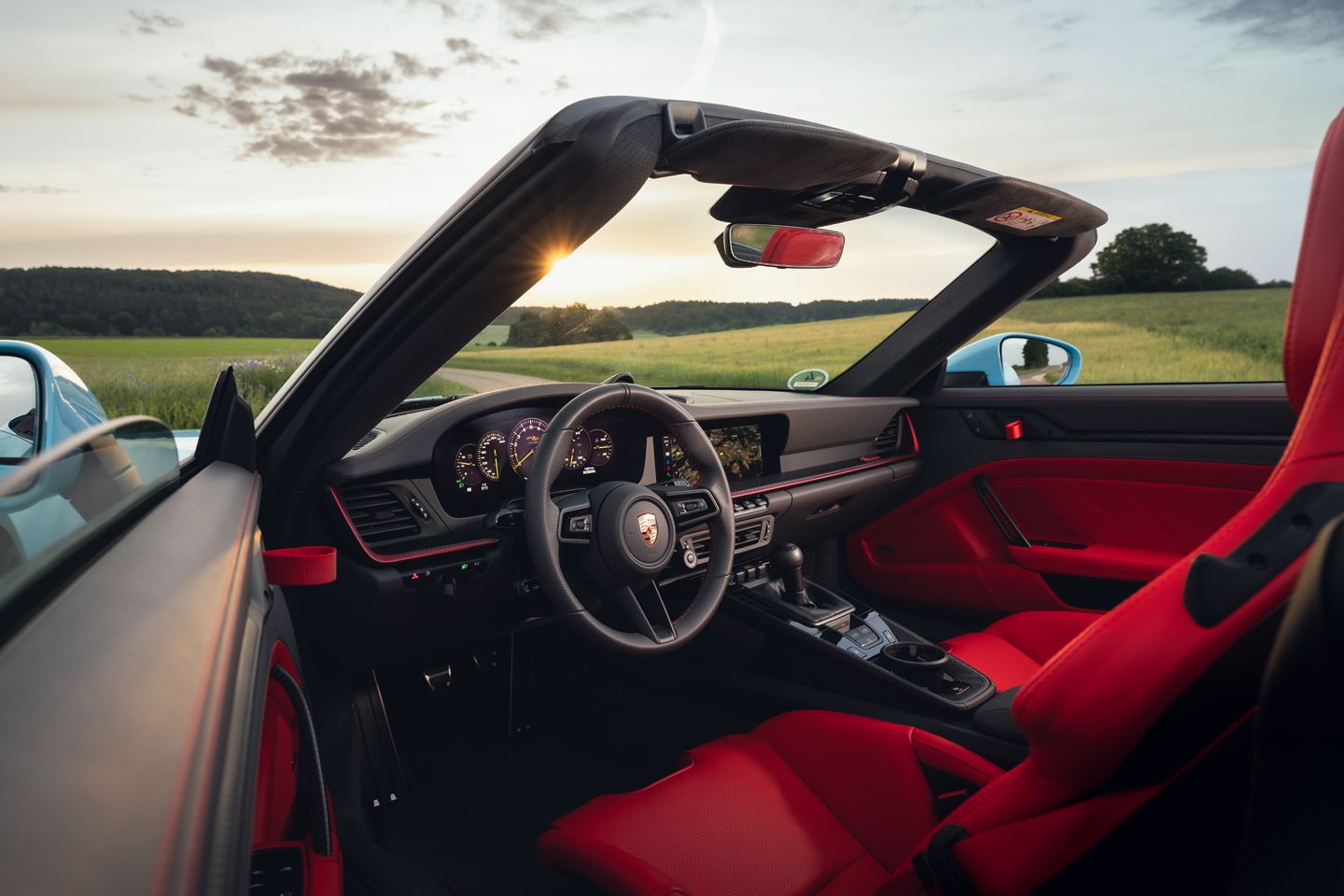
It’s heavier, obviously, but the 34kg folding soft-top mechanism of the 911 Cab (which already has its own lightweight bits, like magnesium arms) has been partially offset by a suite of GT3 RS and S/T parts so the kerbweight is said to be 1,497kg. That’s three kilos less than the GT department’s targeted 1,500kg maximum and only 28kg more than a GT3 coupe. Given that the normal weight gain for a 911 Carrera to Cab is about 90kg, that’s impressive. It ensures that the S/C’s 0-62mph sprint matches the GT3 manual’s 3.9 seconds and top speed is identical to the wingless Touring at 194mph. Although it’s not a totally fair comparison once you factor in the amount of standard-fit carbon the S/C gets.
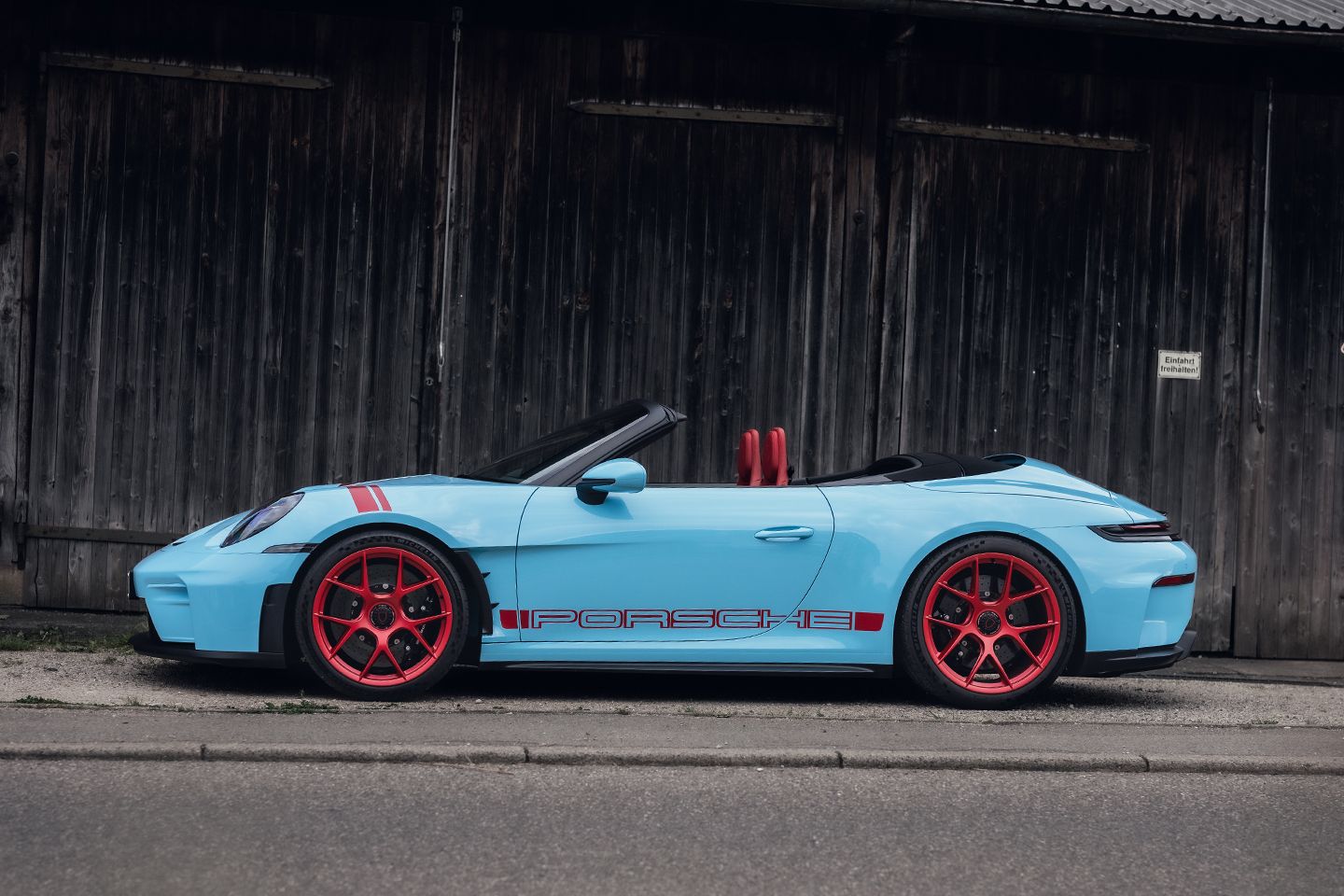
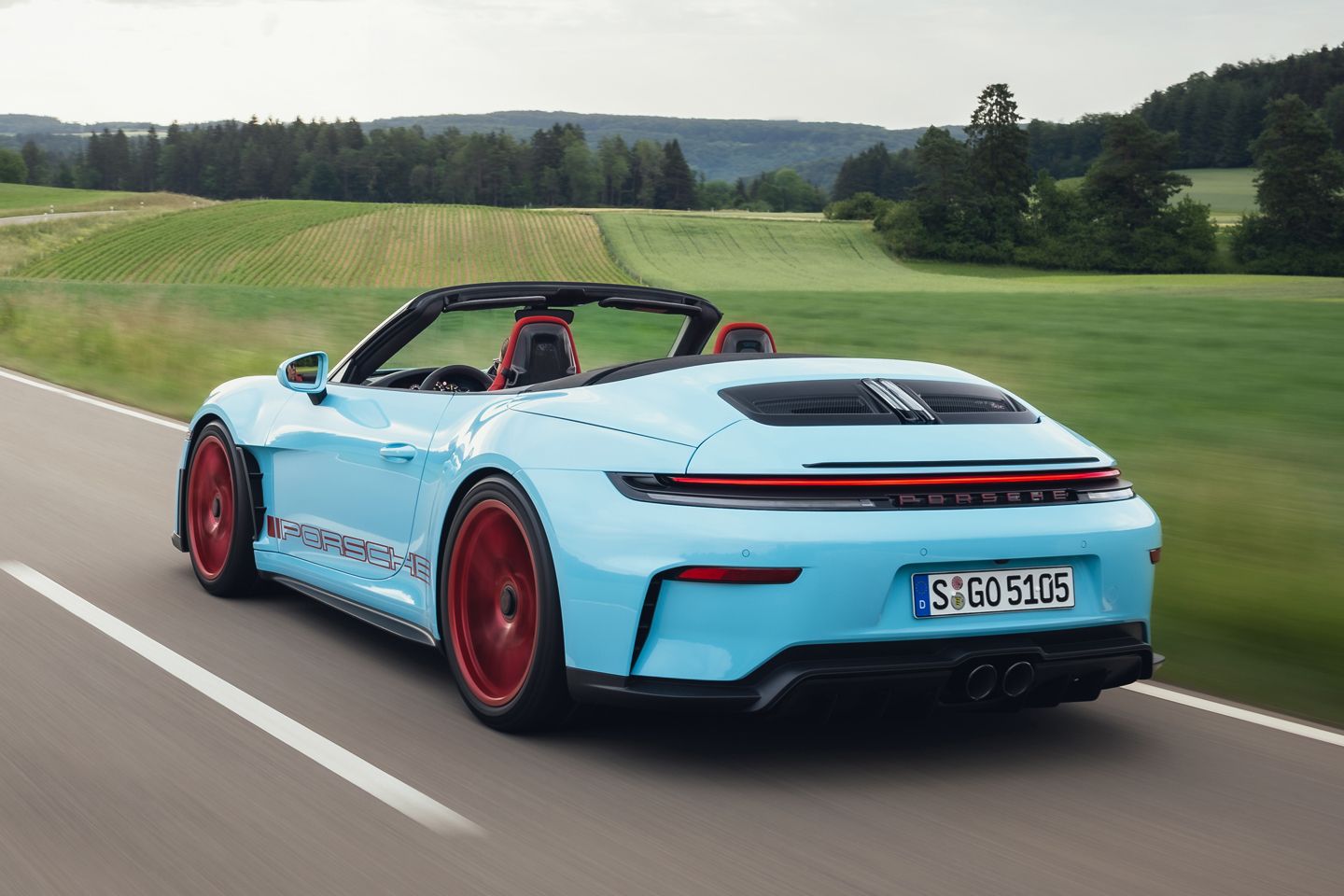
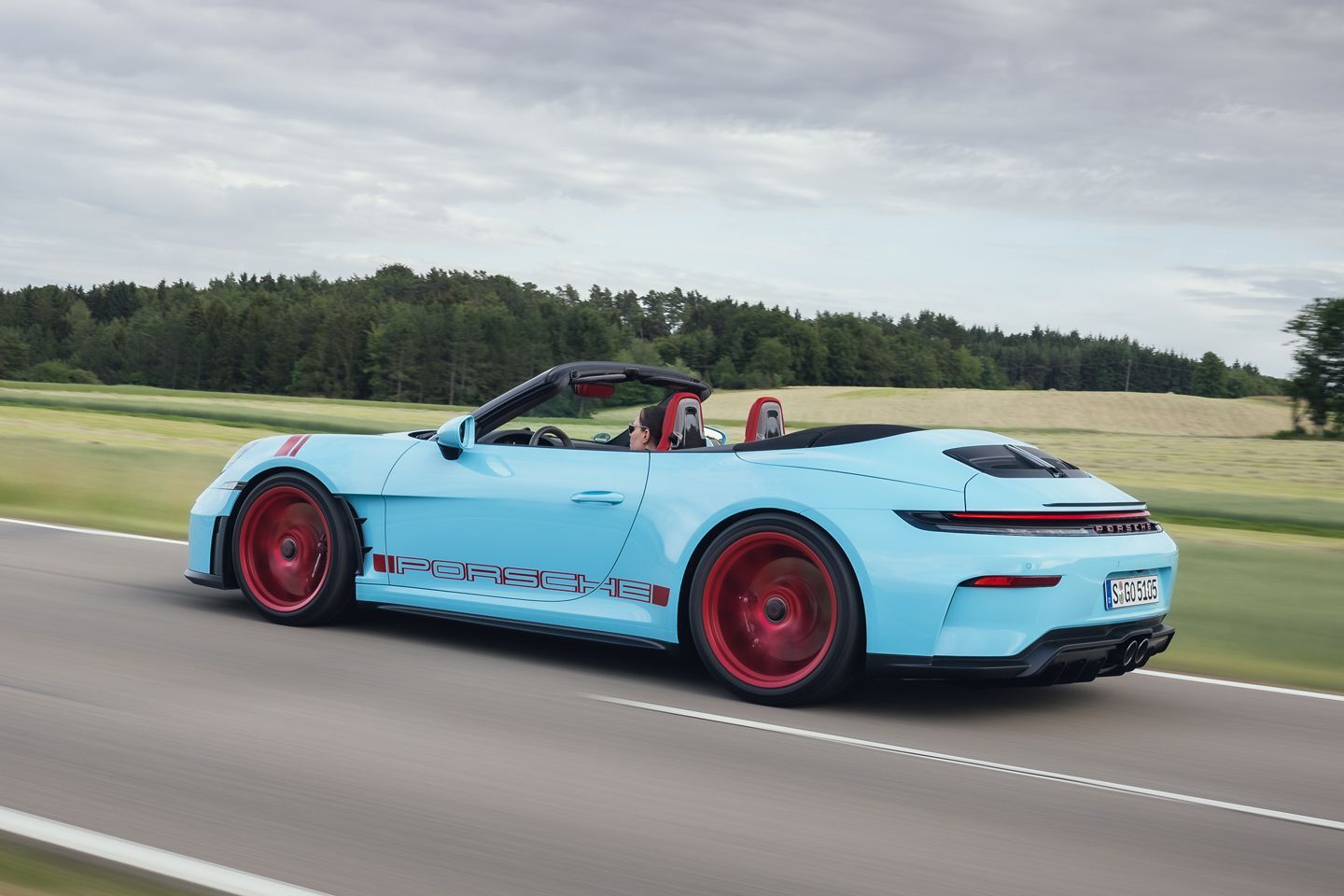
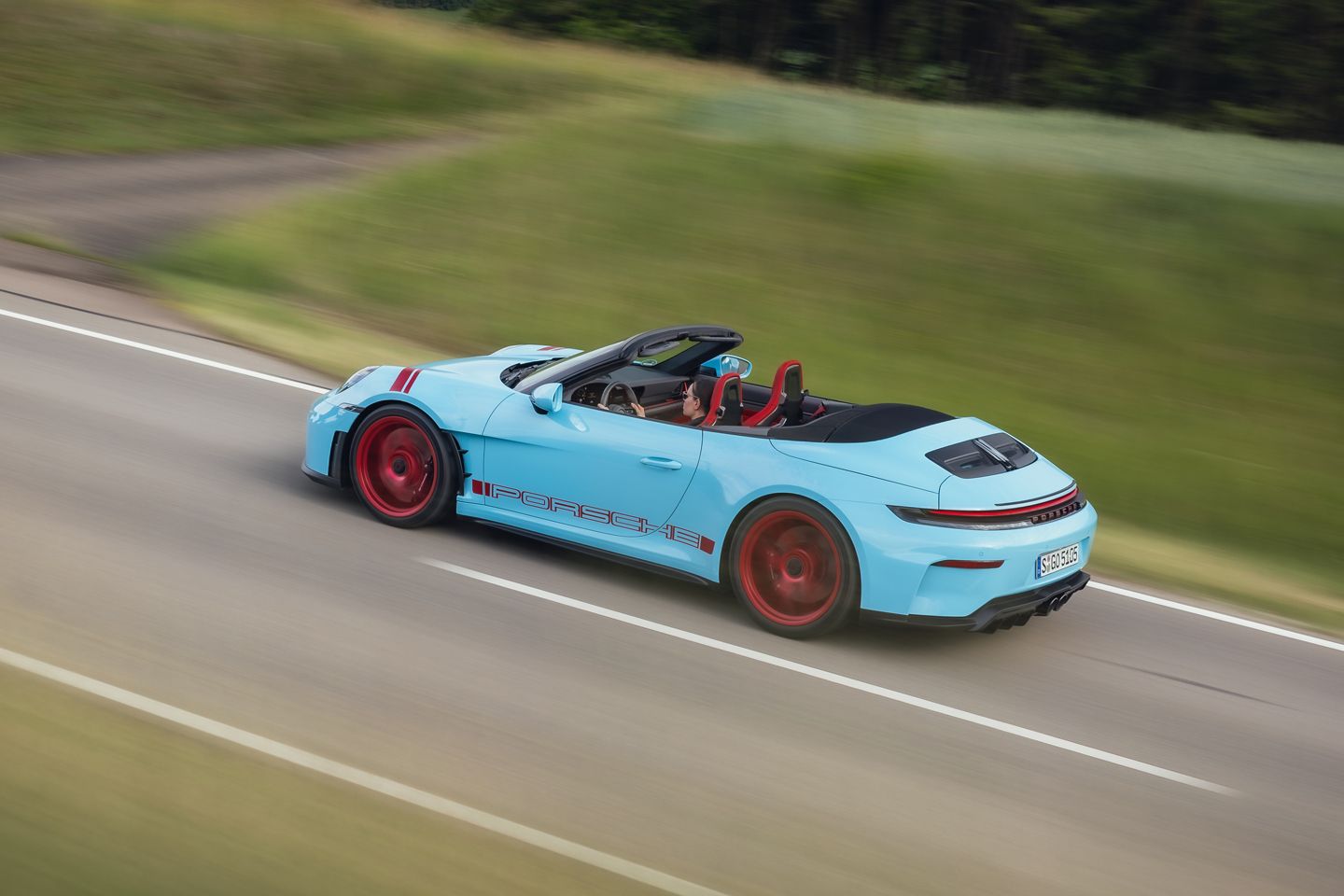
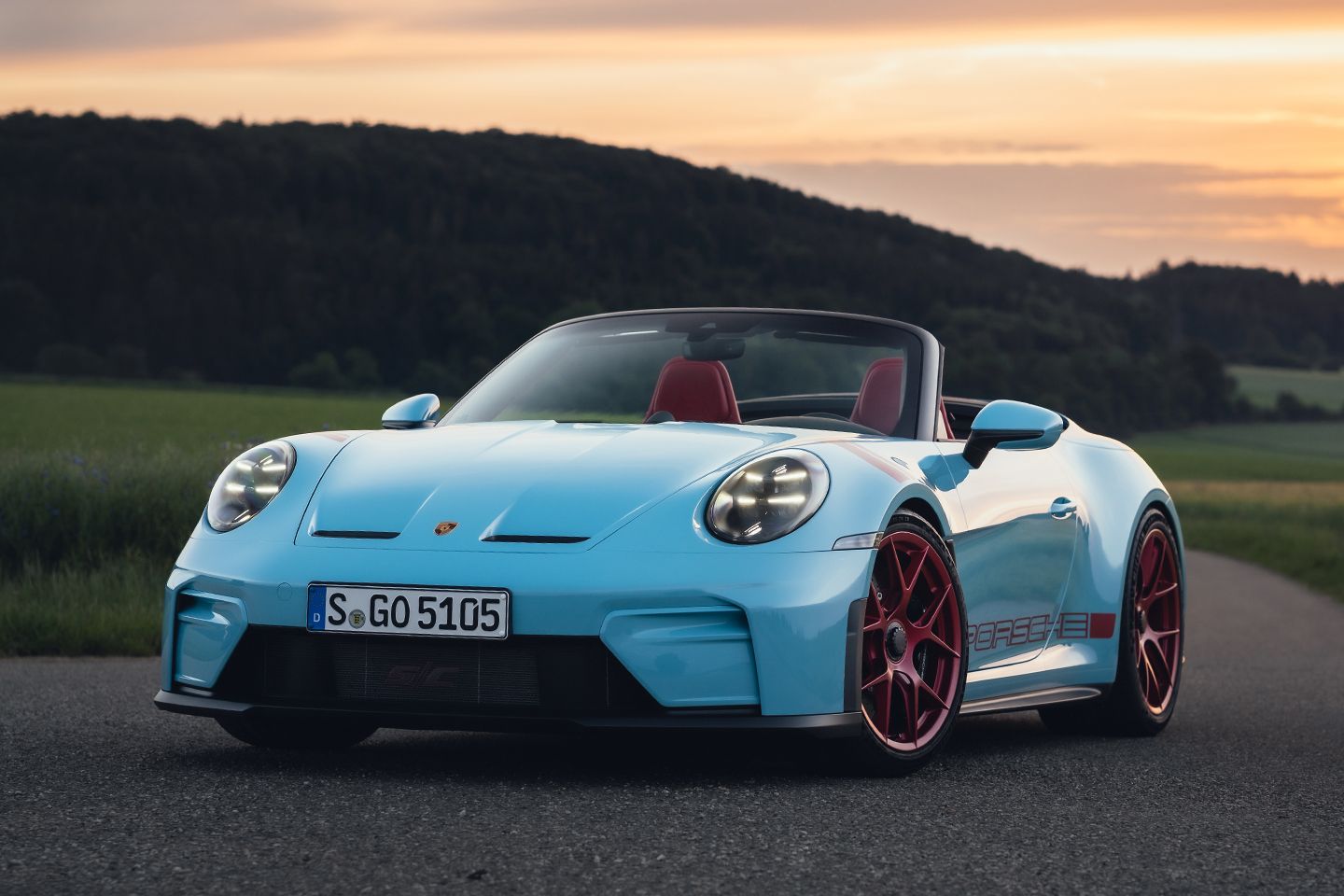
Along with the carbon fibre reinforced plastic (CFRP) bonnet that it shares with the GT3 coupe, the S/C gains CFRP panels on the wings and doors from the GT3 RS and S/T. This gives the drop-top GT3 its more aggressive intake and vent setup on the flanks, and it comes with standard-fit 20- and 21-inch magnesium wheels that save a combined 9kg of unsprung mass. Then there’s the default carbon composite brakes (PCCB), no shortage of carbon bits in the cabin and the rear seat delete. The S/C’s resulting weight penalty is, as Preuninger puts it, no worse than having two kids in a GT3 Touring’s back seats.
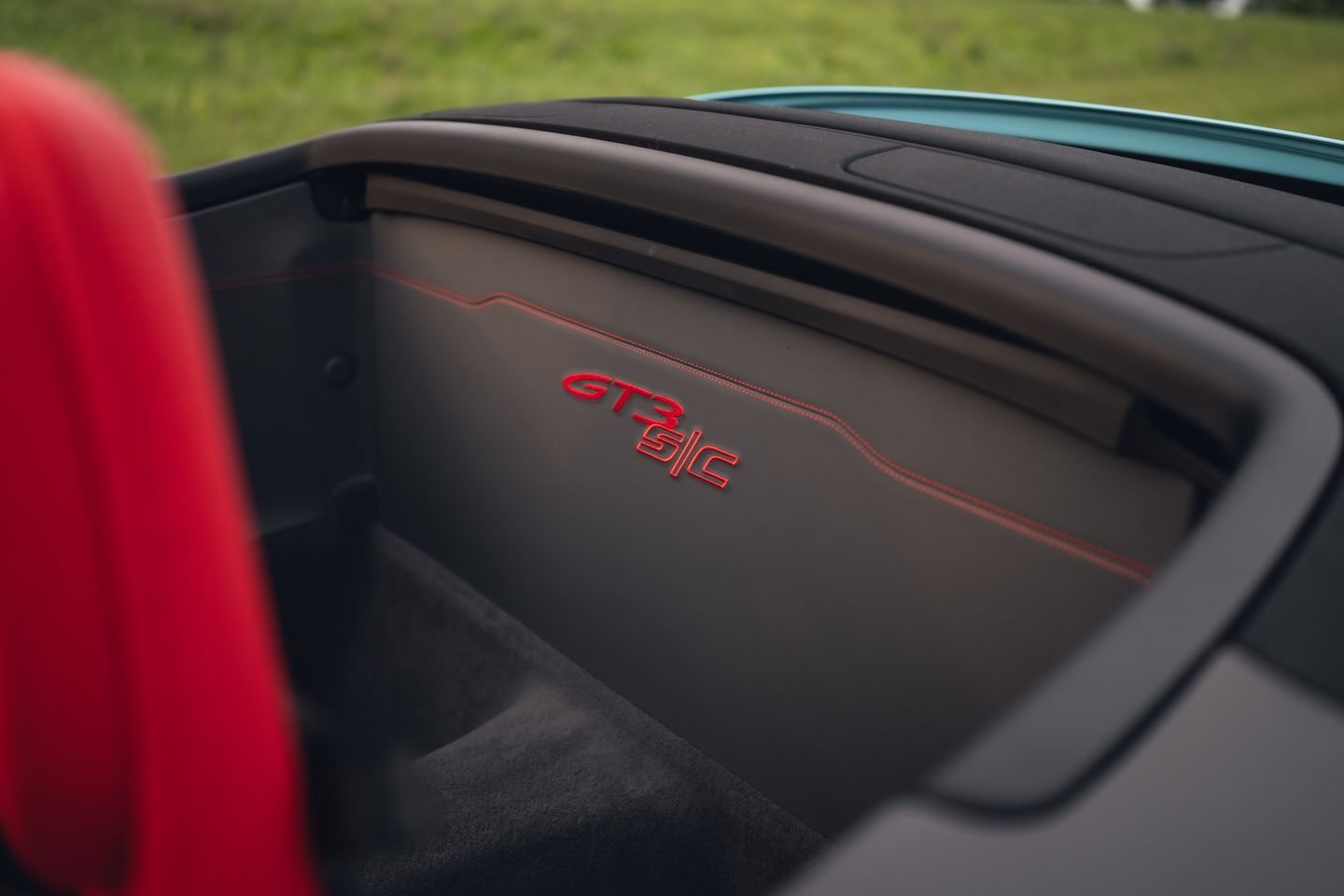
You can, by the way, accentuate the S/C’s changes with a new Street Pack, which is offered like the Weissach and Lightweight packs of the GT3, but does nothing to the car’s underlying mechanical setup. Instead, it’s all cosmetic, and to be frank, it’s probably going to be quite divisive, because at £24k it can - especially if you go with the brightest Tartan leather weave seats and contrasting details - turn a good-looking drop-top into something quite garish. No doubt it’ll be spec-dependent, yet given how fantastic the S/C looks in standard £200k form, you’d have to be really set on rarity or individualism to go for the five-figure add-on. Even the separate, optional locking storage box for the space left by the rear seats is probably not going to be necessary for most, given that the front boot under the car’s nose remains big enough for a small suitcase.
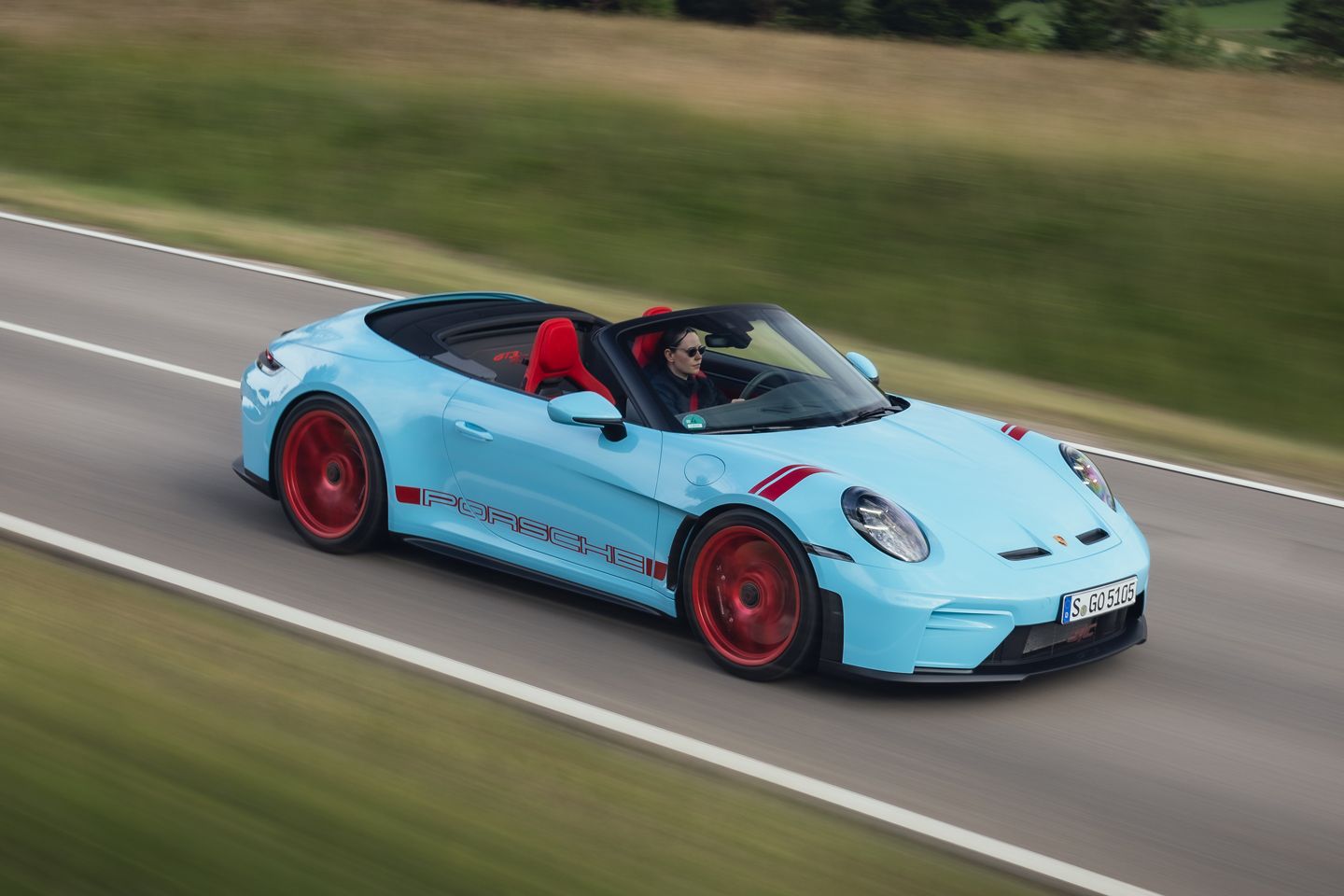
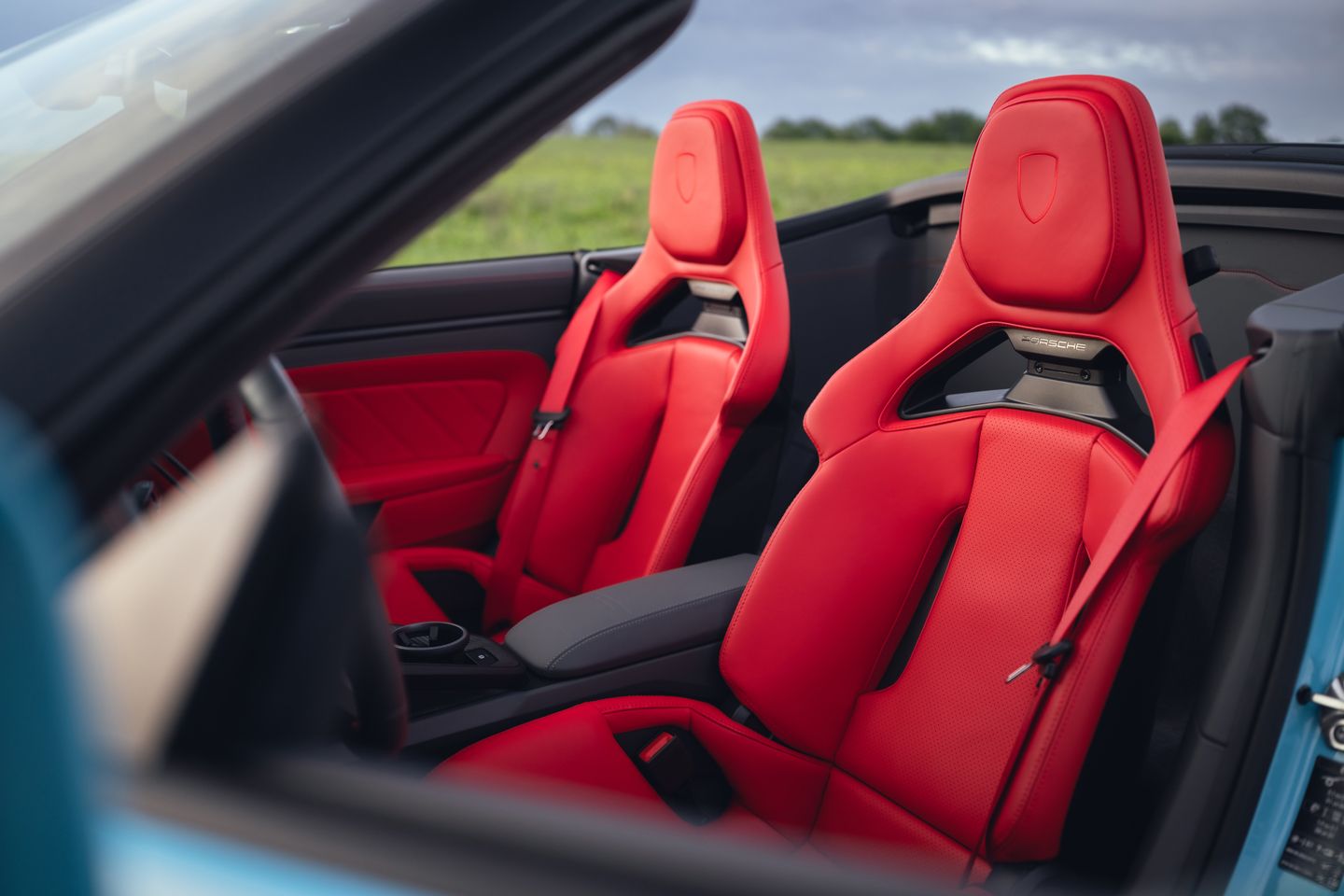
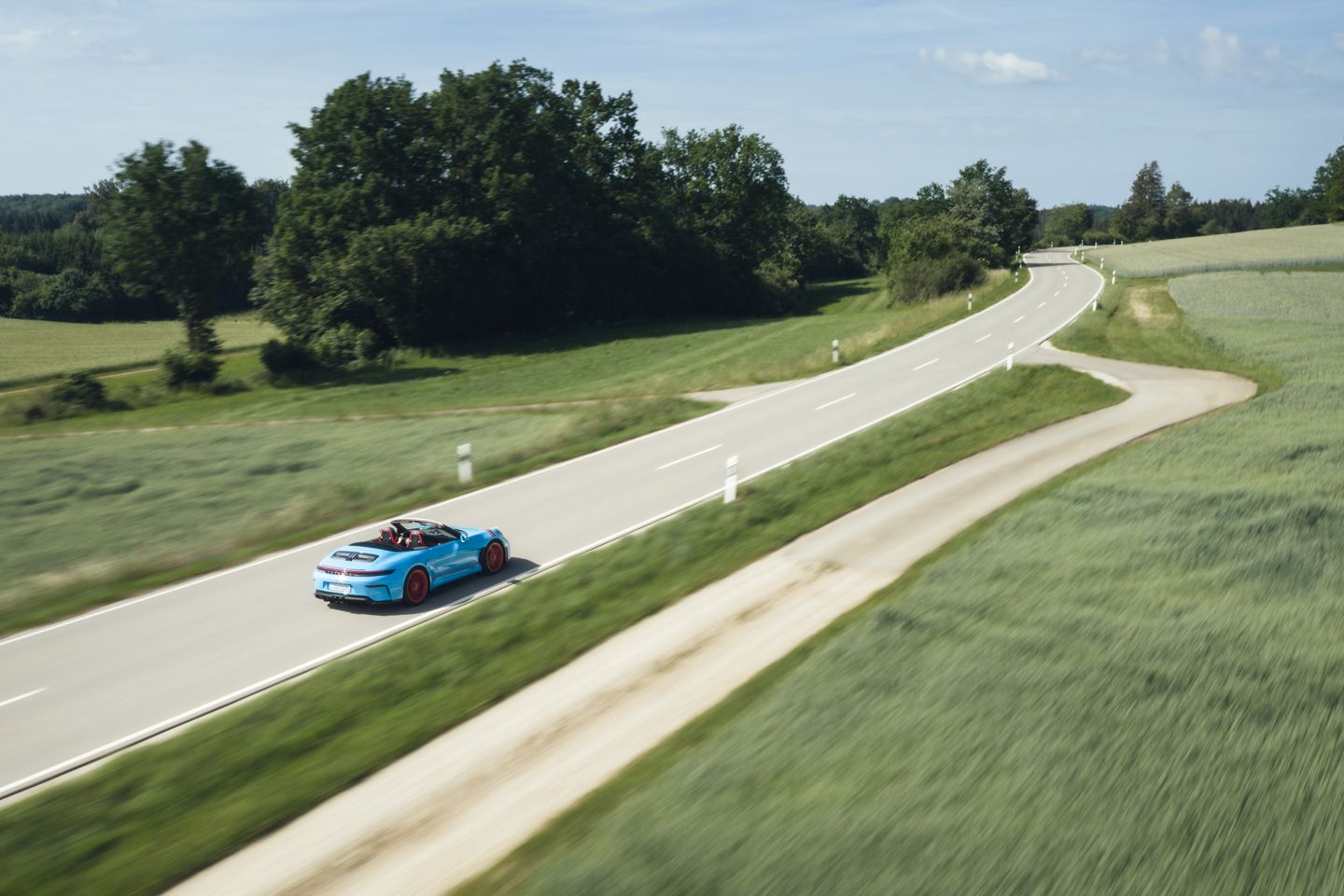
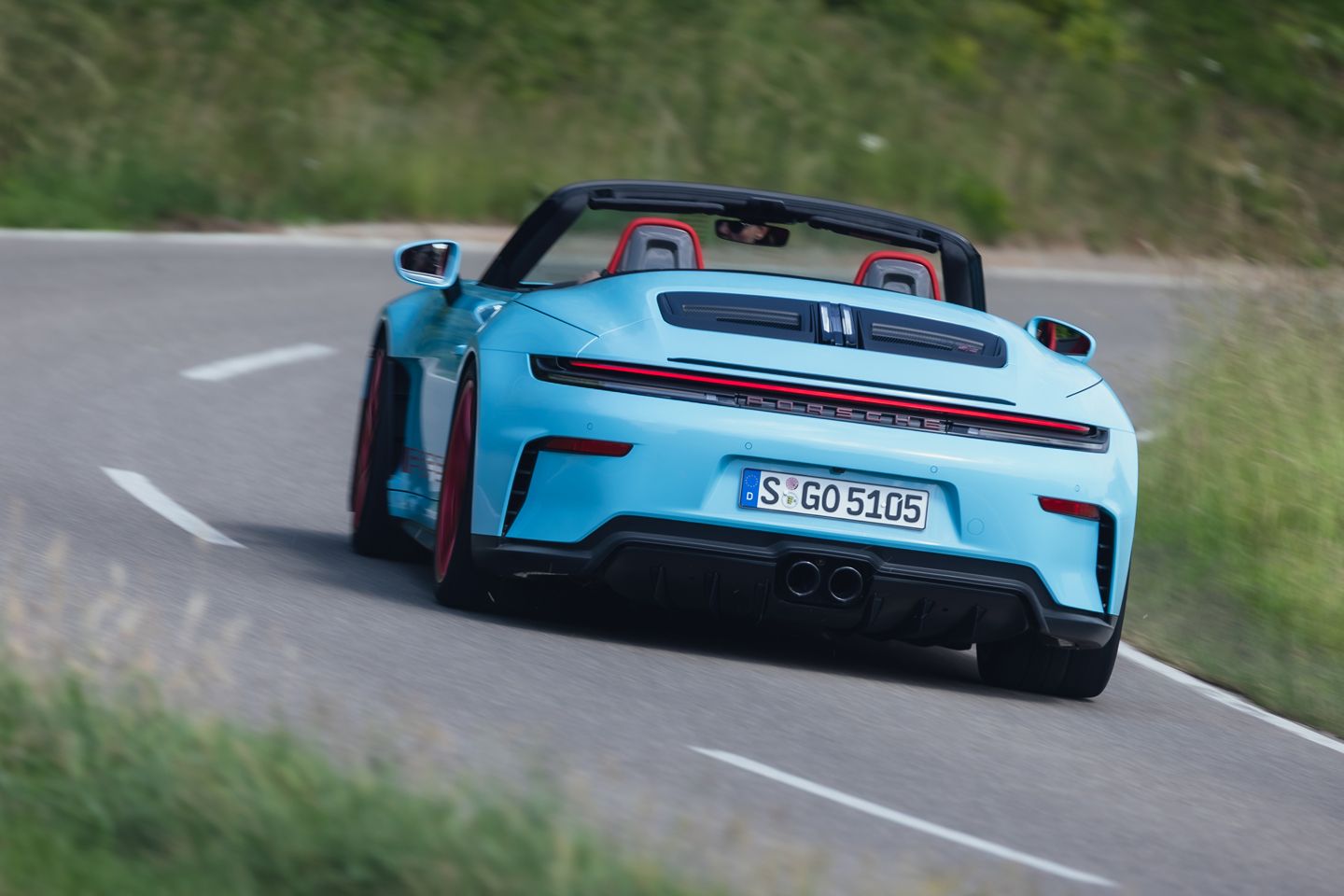
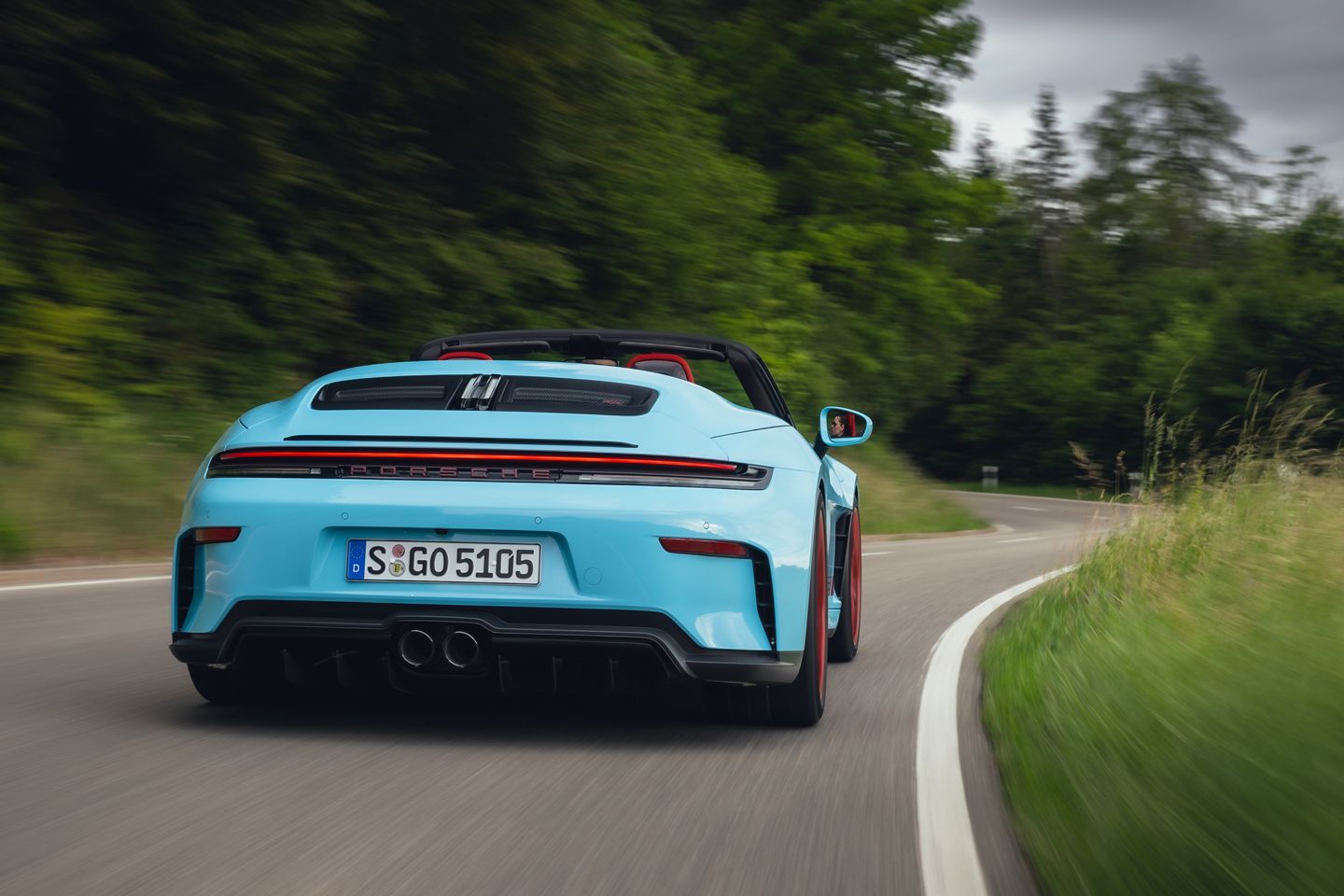
Either way, the most obvious reason to go for a GT3 S/C is greater access to a) the sky, and b) the exhaust note of that wonderful flat-six. You don’t even need to drive a coupe back-to-back with the S/C to realise it, so effective is the insulation provided by the electronically-operated fabric roof. With it up, your ears are mostly provided with a familiar, guttural 4.0-litre note. But with the roof down - and especially with the rear wind defender down as well - the central exhaust pipes project such a clear tone that you’d almost believe they're just over your shoulder, a la McLaren 600LT Spider. Fully open the throttle in a tunnel or even when passing a lorry, and the echo of GT3 howl on its way to 9,000rpm is beyond intoxicating. Same goes for every bark of rev-matched downshift.
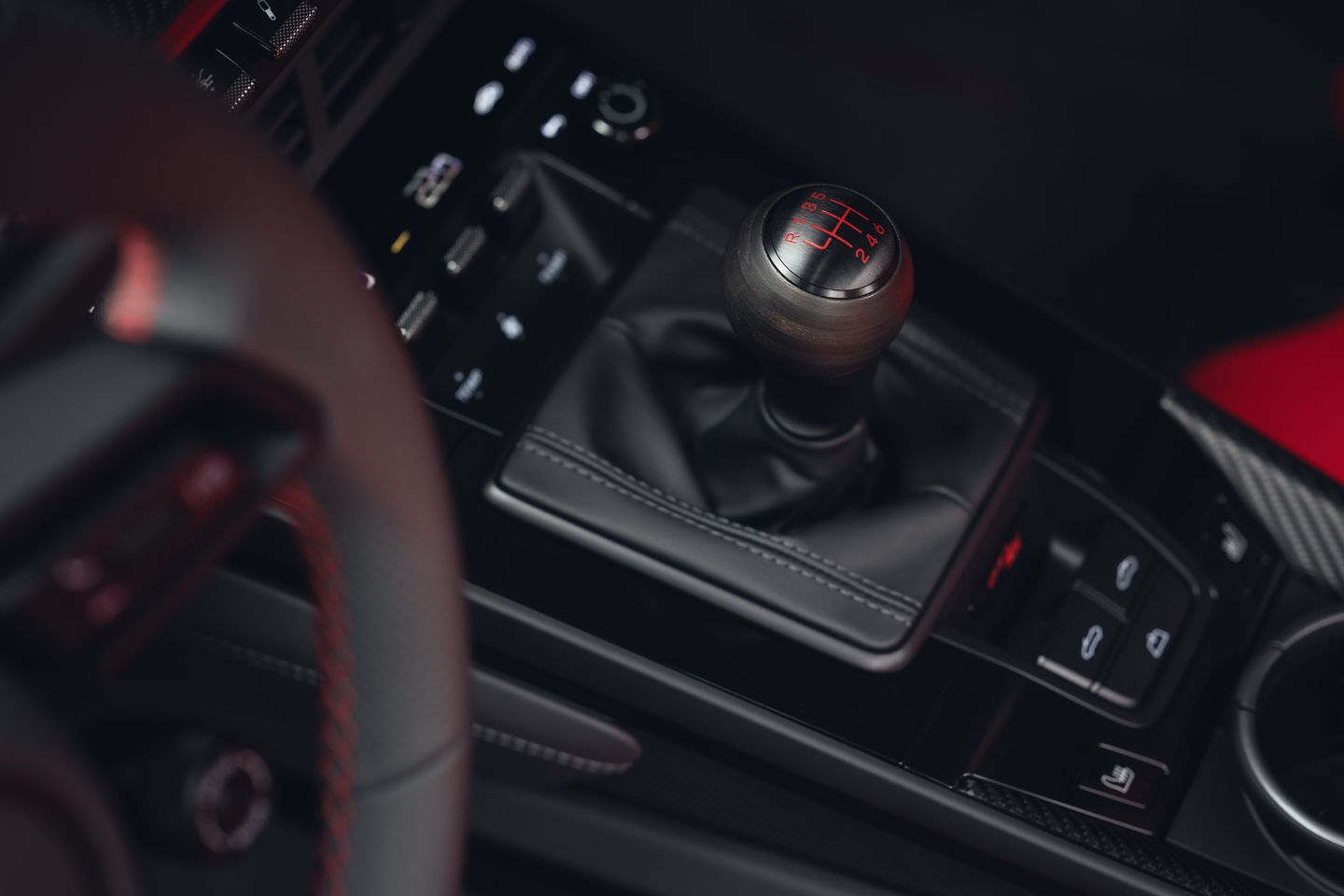
That small weight gain has, you won’t be surprised to hear, had no noticeable impact on the GT3’s reactions. This 4.0-litre remains a masterpiece of motorsport-derived engineering that begs to be revved hard, but also pulls strongly from low down. It’s rapid, of course, though the long gearing (even the shorter ratio 992.2 GT3 six-speed needs the legs to be Autobahn-worthy) means you’re not forced to work the precise, mechanical-feeling manual as much as you might like. But it’s not like the 4.0-litre lacks torque once you get it spinning. Did I mention the sound while all this happening?
The additional merits of mating the GT3's flat-six with an open-top body were predictable enough. While concern about the effect on the chassis was justified - and not even Porsche would have us believe that the stiffer-than-ever 992.2 Cab body is as resistant to flex as the coupe's shell - but on German tarmac, even with those Cup 2s up to temperature on a hot summer’s day, you’d honestly be hard pressed to tell the difference.
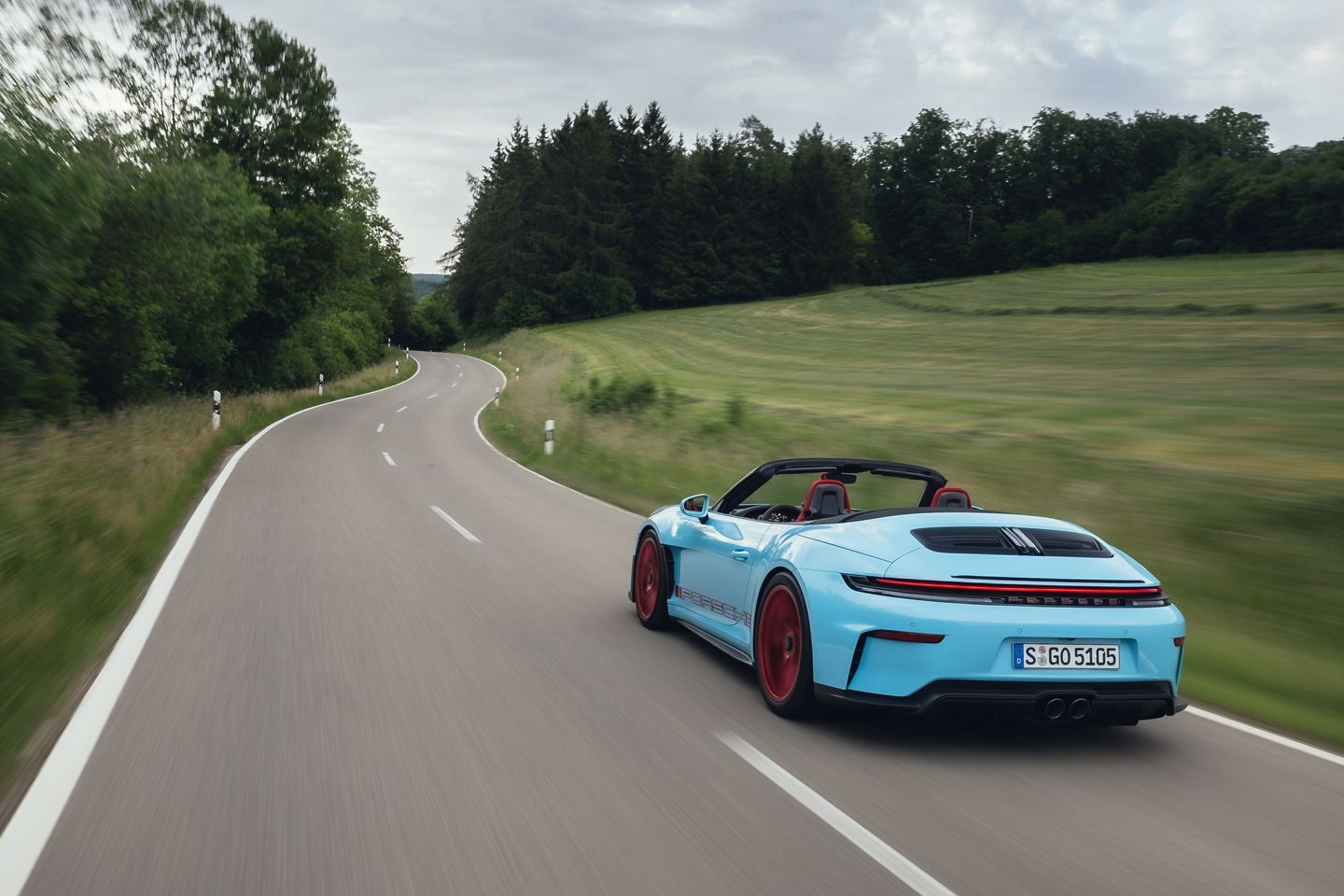
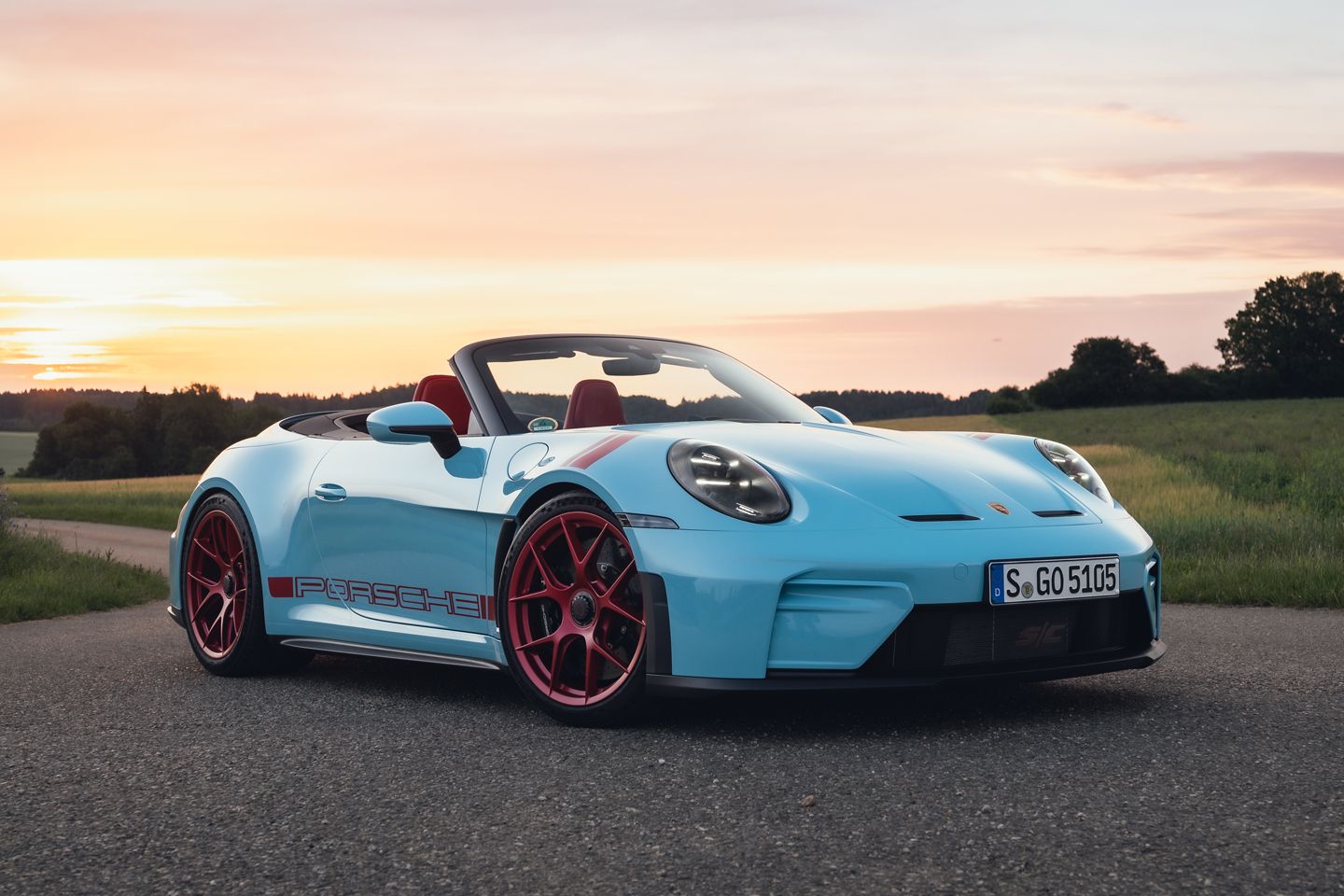
The GT3 fundamentals all remain in what feels like vivid Technicolor. Roll into a bend with pace and the nose will slightly push into understeer, but get the weight transferred forwards on the way in and that double wishbone front suspension has the Cup 2s biting hard. Mid corner rotation remains predictable, while the traction generated is astounding. Even with ESC off, full-throttle exits are rarely an issue for a naturally aspirated 911, but perhaps with the S/C feels even more bolted down by its uptick in mass. Accordingly, to get the car really dancing out of bends requires an enthusiastic right foot, but the S/C doesn’t then become a less controllable car on the limit. It’s much the same moreish GT3 magic - only louder and more acoustically thrilling.
The only potential sign that something has been lost in translation comes from the steering rack. There’s a little less texture than I remember in the coupe, perhaps a little less conversation with the fronts - but honestly you'd need a back-to-back comparison to confirm it. Even then, we're talking fractions. Realistically, the only place the S/C is likely to seem a notch below the coupe is on track. Like the Speedster before it, the priority for the S/C is on-road performance - but unlike the run-out 991, the S/C is still authentically GT3 by all mechanical measures.
That doesn't alleviate the drop-top GT from all criticisms - track prowess, a die-hard Porsche fan might argue, is the whole point - yet given how many current GT3 buyers already opt for a Touring with a mandatory wing delete and optional rear seats, most people, most customers even, probably won’t care one jot. Which, broadly speaking, is a good thing. Because if you've only got road driving in mind, the S/C is arguably the most exciting 992.2 GT3 money can buy.
SPECIFICATION | PORSCHE 911 GT3 S/C (992.2)
Engine: 3,996cc, flat-six
Transmission: 6-speed manual, rear-wheel drive
Power (hp): 510@8,500rpm
Torque (lb ft): 332@6,250rpm
0-62mph: 3.9 manual
Top speed: 194mph Touring
Weight: 1,497kg
MPG: 20.7
CO2: 310g/km (WLTP)
Price: £200,500
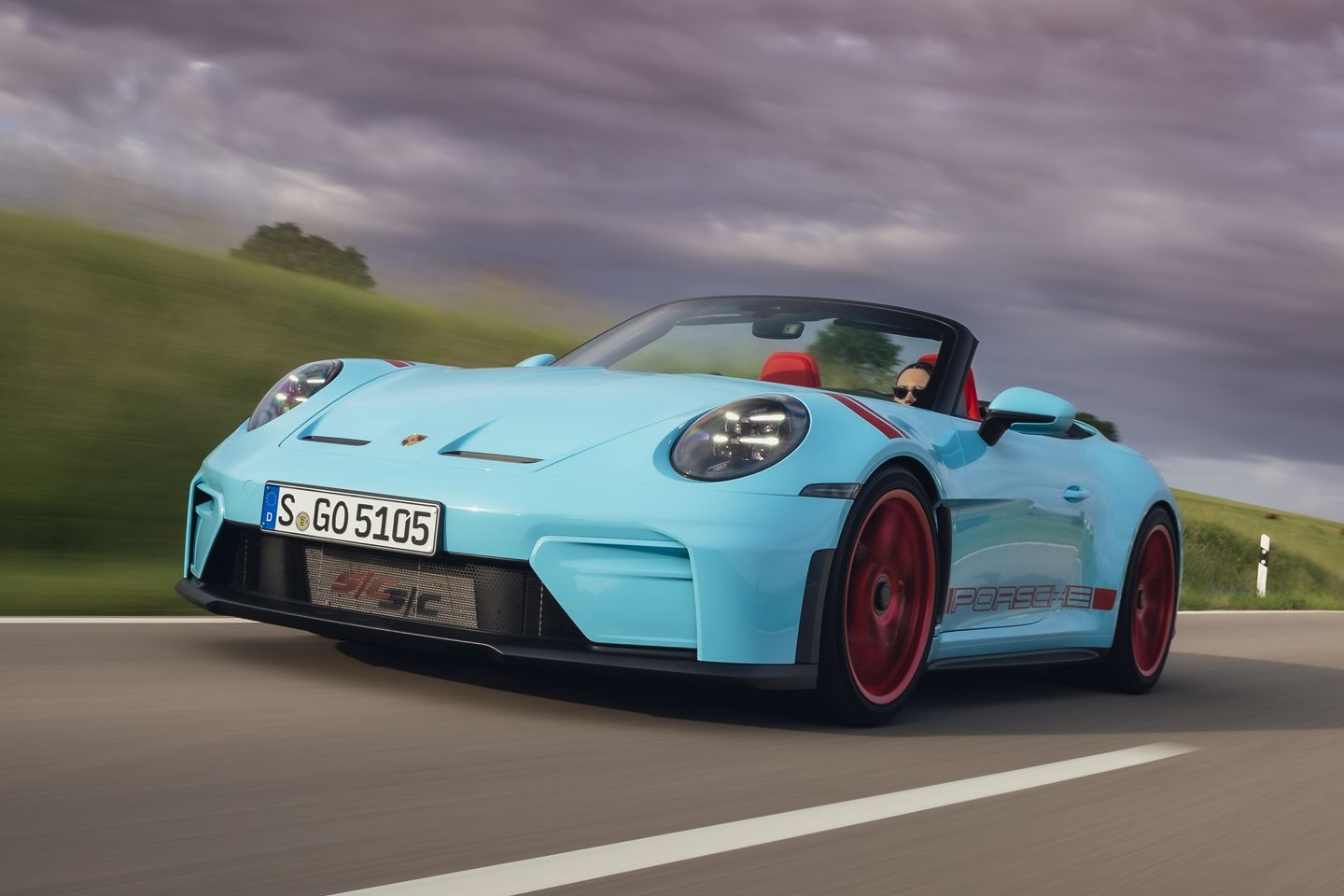


Should've been a Speedster
981.1 and .2 Spyders both prettier

The 992.2 just isn't an attractive car for me anymore. gormless face, massive fat rear with all the subtle details enlarged or smoothed out. Lots of sharp edges.
In profile it almost look svelte, but then add a bit of rear 3/4 and the sheer size and weight of the rear takes over...
Even in coupe form, the over simplified dull front end with squared ff shut lines is a step back from 991....
It feels is as if now more than ever the front and rear overhangs equal the wheel base and ends up looking childish.
9000rpm, NA, rwd, open top, manual.... and I'm still not happy

Just gonna have to get another S2000
I d still rather have a Turbo S unless I m intending to thrash it around a track. In which case I d have the Turbo S and a Caterham or similar.
The colour scheme on this is dreadful for me, but I don't actually dislike the 911 Convertible though, although I'd probably still go for a Targa I think.
Gassing Station | General Gassing | Top of Page | What's New | My Stuff