
Taking up Sailing (Newbie help)
Discussion


Good day all,
I've had the itch for quite a while now to get into sailing and buy my first boat for weekend cruising, so I thought I'd tap into the knowledge and experience on here.
A bit of background first: I have absolutely no real sailing experience. I've owned a few jet skis over the years, spent plenty of time in kayaks, and had a brief go at windsurfing, but that's about the extent of my time on the water. Sailing would be something completely new for me, which is part of the appeal.
The plan would be for the boat to be used mainly by myself and my wife for weekend trips and the occasional longer break if we get hooked on it. We're looking at mooring somewhere in North Wales, as it's one of the easiest coastal areas for us to reach and would allow us to make good use of the boat without spending half the weekend travelling to it.
I've pretty much settled on the idea of a monohull, and at the moment I'm thinking somewhere in the 20–30ft range. Does that sound like a sensible size for a couple looking for a comfortable weekend cruiser that's still manageable for beginners? I don't want anything too small that we outgrow immediately, but equally I don't want to bite off more than I can chew with a larger yacht.
As for budget, I'm looking at around £15,000, which probably gives you a fair idea of the vintage sailing masterpieces (or floating Titanic replicas!) I'll be browsing through. Realistically, what sort of boats should I be looking at within that budget?
More importantly, what are the big-ticket items and hidden money pits that can turn a seemingly good deal into a financial black hole? For example:
Hull issues
Keel problems
Osmosis
Deck rot or soft spots
Standing rigging age and condition
Engine condition and service history
Sails nearing the end of their life
Electrical systems and wiring
Water ingress and leaks
What are the major red flags that would make you walk away immediately?
One thing that doesn't worry me too much is DIY work. During lockdown I bought a Ducati 916 as a restoration project, despite having never tackled anything like that before, and managed to bring it back to life successfully. I'm quite happy learning new skills and getting stuck into repairs and maintenance, so cosmetic issues or smaller projects wouldn't put me off. That said, I'd rather spend my weekends sailing than rebuilding a boat from the keel up!
On the training side, where would you suggest I start? I'm interested in both the practical and theory aspects and would like to learn properly rather than just muddle through.
Are the RYA courses the best route for a complete beginner? If so, which would you recommend starting with?
Day Skipper Theory?
Day Skipper Practical?
Anything else?
I'd also love to get some hands-on experience before committing to buying a boat. Are there any good ways of doing this besides formal courses?
Finally, if you could go back and give yourself one piece of advice before buying your first boat, what would it be?
Any recommendations on good books, YouTube channels, websites, forums, or general learning resources would also be greatly appreciated.
Thanks in advance for any advice. I'm at the exciting stage where I know just enough to be dangerous, but not enough to know what I don't know!
Thanks for taking the time to read!!
Limmy01
I've had the itch for quite a while now to get into sailing and buy my first boat for weekend cruising, so I thought I'd tap into the knowledge and experience on here.
A bit of background first: I have absolutely no real sailing experience. I've owned a few jet skis over the years, spent plenty of time in kayaks, and had a brief go at windsurfing, but that's about the extent of my time on the water. Sailing would be something completely new for me, which is part of the appeal.
The plan would be for the boat to be used mainly by myself and my wife for weekend trips and the occasional longer break if we get hooked on it. We're looking at mooring somewhere in North Wales, as it's one of the easiest coastal areas for us to reach and would allow us to make good use of the boat without spending half the weekend travelling to it.
I've pretty much settled on the idea of a monohull, and at the moment I'm thinking somewhere in the 20–30ft range. Does that sound like a sensible size for a couple looking for a comfortable weekend cruiser that's still manageable for beginners? I don't want anything too small that we outgrow immediately, but equally I don't want to bite off more than I can chew with a larger yacht.
As for budget, I'm looking at around £15,000, which probably gives you a fair idea of the vintage sailing masterpieces (or floating Titanic replicas!) I'll be browsing through. Realistically, what sort of boats should I be looking at within that budget?
More importantly, what are the big-ticket items and hidden money pits that can turn a seemingly good deal into a financial black hole? For example:
Hull issues
Keel problems
Osmosis
Deck rot or soft spots
Standing rigging age and condition
Engine condition and service history
Sails nearing the end of their life
Electrical systems and wiring
Water ingress and leaks
What are the major red flags that would make you walk away immediately?
One thing that doesn't worry me too much is DIY work. During lockdown I bought a Ducati 916 as a restoration project, despite having never tackled anything like that before, and managed to bring it back to life successfully. I'm quite happy learning new skills and getting stuck into repairs and maintenance, so cosmetic issues or smaller projects wouldn't put me off. That said, I'd rather spend my weekends sailing than rebuilding a boat from the keel up!
On the training side, where would you suggest I start? I'm interested in both the practical and theory aspects and would like to learn properly rather than just muddle through.
Are the RYA courses the best route for a complete beginner? If so, which would you recommend starting with?
Day Skipper Theory?
Day Skipper Practical?
Anything else?
I'd also love to get some hands-on experience before committing to buying a boat. Are there any good ways of doing this besides formal courses?
Finally, if you could go back and give yourself one piece of advice before buying your first boat, what would it be?
Any recommendations on good books, YouTube channels, websites, forums, or general learning resources would also be greatly appreciated.
Thanks in advance for any advice. I'm at the exciting stage where I know just enough to be dangerous, but not enough to know what I don't know!
Thanks for taking the time to read!!
Limmy01
When you say £15k, is that all you've got or do you have money for ongoing expenses, as yachts are as needy as bloody horses in this respect? Mooring cost will start from a few hundred a year for a swinging mooring in an unfashionable bit of the UK to £5k plus on the Solent, even in north Wales a marina berth is likely to be in the low thousands per year. Boat bits, especially sails, are also irritatingly expensive. It goes on.
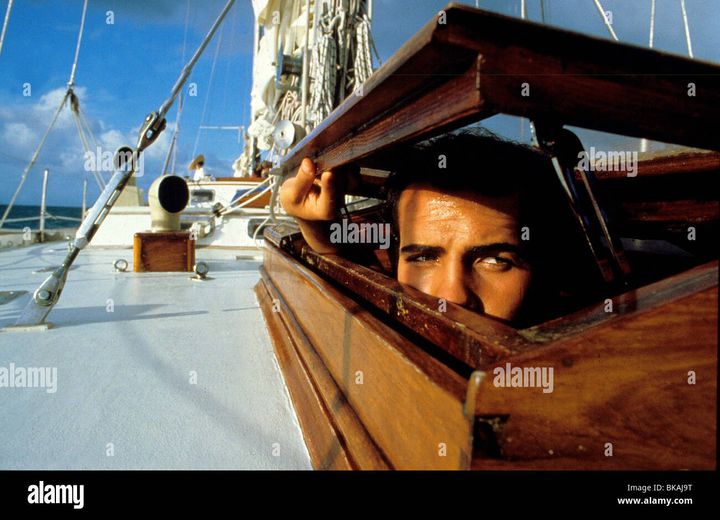
Given you've no experience at all getting some is vital to ensure you actually enjoy it before lumbering yourself with a bankrupting hole in the water; as well as formal RYA qualification courses instructors will probably negotiate for accompanied day sails if they have no bookings, alternatively you could check out sailing clubs and marinas near you, either the physical premises or the websites may have notice boards/forums where people will post looking for or offering to crew, as long as you explain that you're a complete beginner and beware that there are lunatics in every avenue of amateur sport so try and evaluate that so you don't end up sailing with this guy.
To safely do day sails or short distance weekend sailing in settled weather Day Skipper for one of you is a minimum and competent crew for the other, but both is probably better; aim for coastal skipper in the long term. Whatever courses you do, ensure you understand tides and their effects as sailing in North Wales will be ruled by tide as much as the wind, arguably more so.
Given you've no experience at all getting some is vital to ensure you actually enjoy it before lumbering yourself with a bankrupting hole in the water; as well as formal RYA qualification courses instructors will probably negotiate for accompanied day sails if they have no bookings, alternatively you could check out sailing clubs and marinas near you, either the physical premises or the websites may have notice boards/forums where people will post looking for or offering to crew, as long as you explain that you're a complete beginner and beware that there are lunatics in every avenue of amateur sport so try and evaluate that so you don't end up sailing with this guy.
To safely do day sails or short distance weekend sailing in settled weather Day Skipper for one of you is a minimum and competent crew for the other, but both is probably better; aim for coastal skipper in the long term. Whatever courses you do, ensure you understand tides and their effects as sailing in North Wales will be ruled by tide as much as the wind, arguably more so.
Edited by hidetheelephants on Wednesday 1st July 12:28
I would approach a local sailing club and say you'd like to have a go - in my limited experience most sailing/racing yachts needed crew for club racing nights. You could sign up for competent crew as that may make you more useful as well.
TBH £15k in not a huge amount of cash and boats are expensive to maintain properly. The owner of the boat I used to go sailing on also had a daughter into horses, he said it was neck and neck down the spreadsheet between the two.
I would loiter around a sailing club for a season or two and see where that takes you. You may hate it, or have an absolute blast.
TBH £15k in not a huge amount of cash and boats are expensive to maintain properly. The owner of the boat I used to go sailing on also had a daughter into horses, he said it was neck and neck down the spreadsheet between the two.
I would loiter around a sailing club for a season or two and see where that takes you. You may hate it, or have an absolute blast.
limmy01 said:
More importantly, what are the big-ticket items and hidden money pits that can turn a seemingly good deal into a financial black hole? For example:
Hull issues
Keel problems
Osmosis
Deck rot or soft spots
Standing rigging age and condition
Engine condition and service history
Sails nearing the end of their life
Electrical systems and wiring
Water ingress and leaks
What are the major red flags that would make you walk away immediately?
The answer is yes to all of them; they can all cost you money and the used boats in your price range will all have some deferred maintenance waiting to empty your bank account. Enjoy spending free weekends looking at the mouldy end of the yacht broker's stock at every boatyard and marina within driving distance, poking in damp lockers with sails growing mushrooms, exploring cupboards with out-of-date food/flares/etc. Get a survey when you find one that makes your wallet excited, but if the surveyor is willing ask them to talk you through the survey as they are likely to say things they're not willing to put down in print and most likely will give you pointers as to which are priority fixes and which can be deferred further. Once you've bought it, your weekends will no longer be free! Hull issues
Keel problems
Osmosis
Deck rot or soft spots
Standing rigging age and condition
Engine condition and service history
Sails nearing the end of their life
Electrical systems and wiring
Water ingress and leaks
What are the major red flags that would make you walk away immediately?
Cheers all, great informative replies. The 15 budget was just for the boat, you beat me too my next list of cost questions..
What sort of annual costs should I realistically be budgeting for on a 20–30ft yacht moored in North Wales?
Things I'm aware of so far are:
Marina berth or mooring fees
Winter storage
Lift out and relaunch costs
Insurance
Engine servicing and maintenance
Antifouling
Safety equipment and lifejackets
Sail repairs and eventual replacement
What else catches first-time owners out?
For example, are there any "boat ownership taxes" that aren't really taxes, but seem to appear every time you visit the marina? Things like replacing ropes, batteries, seacocks, bilge pumps, electronics, fenders, covers, outboards for tenders, unexpected survey recommendations, and all the other things nobody mentions in the advert.
So first stop is too find a local sailing club and start lurking about...
What sort of annual costs should I realistically be budgeting for on a 20–30ft yacht moored in North Wales?
Things I'm aware of so far are:
Marina berth or mooring fees
Winter storage
Lift out and relaunch costs
Insurance
Engine servicing and maintenance
Antifouling
Safety equipment and lifejackets
Sail repairs and eventual replacement
What else catches first-time owners out?
For example, are there any "boat ownership taxes" that aren't really taxes, but seem to appear every time you visit the marina? Things like replacing ropes, batteries, seacocks, bilge pumps, electronics, fenders, covers, outboards for tenders, unexpected survey recommendations, and all the other things nobody mentions in the advert.
So first stop is too find a local sailing club and start lurking about...
Few thoughts, in no particular order
North Wales is a good call - it is much cheaper than south coast, but it can be a challenging sailing area and many of the small harbours dry out. Of the marinas, I would look at Pwllheli and Aberystwyth. Conway is a good shout. Port Dinorwic can be a challenge and I think it is full with a waiting list right now. They do have trot moorings in the summer, which are cheap but you'll need to shift the boat over winter and hard standing is limited. .
I would do a competent crew course first- familiarise yourself with all things boat then do the Day Skipper theory with practical down the line. I would also have a look at Crew Seekers or local sailing pages to find someone who may be looking for crew. When I started out racing, I did this and ended up on a decent boat, and learned a lot for free.
As to a boat - like cars I guess - try several and see which you like. It is a balance between something that is benign in its handling, both under sail and around a marina/mooring. Some of the more popular boats like the MG Spring 25 are good for beginners, but a bit lightly built and if you catch some of the winds that come off the Welsh mountains, you won't be impressed

Don't dismiss older boats. They might not have all the bells and whistles, but many will have been looked after and will look after you. A Contessa 26 is a good start, but tricky in the marina. The 32 is a very solid, if small below, boat. The Sigma 33 is likewise good but think of them as Palmersport trackday cars, and make sure it has not been thrashed.
A Westerly Fulmar would be a good shout, especially if a twin keel - it will take ground and you can sail into Barmouth etc.
Ultimately, a 1980's or 90's vintage Jeanneau, Beneteau, Westerley, Feeling or Sadler will be a good boat. The older 70's boats tend to be very well made, but things such as lines not leading back to the cockpit and tricky to put a reef in mean they can be a bit more challenging for a beginner.
Try not to go for a Quarter Tonner race boat - they can be light and tricky to settle- you want something that is going to be docile and easy to sail until you get your skills up.
Adding for costs, you will be looking around the following:
Marina - serviced berth at Pwllheli is around £530 per metre, Conwy is £630, Deganwy about the same, Aberystwyth is around £472, though Aber has arguably fewer day sail destinations.
For a decent 28 footer, you are in for £4,500 to £5,500 per annum marina. You'll usually get the hard standing in with that, or be able to mitigate ti with 6 months in and 6 months on the hard standing at half rate or less.
Insurance will be about £800 a year for a 28 foot cruiser.
Lift out depends but budget for £200 per lift, then another £500 for hull clean and anti-foul each year, plus engine service and prop service, though I reckon you will be able to do a lot of the hands on by the sounds of it.
I had fund for my sails and wear items (though it was a racing yacht with carbons so was hammered - hirer paid damages often but a new mainsail was easy £15k, kites were £3k plus). I would still be putting £250 minimum a month in an ISA to fund breakages and wear.
Think of a boat as an 80's Maserati - buying it is the easy bit, maintaining it however.....
Ultimately, for leisure sailing, I would budget £6,000 per annum running and berthing costs, then allow for the shopping list, because you'll want to add on newer navionics, shiny shiny bits and one of those pretend sleeping ship's cats from Nauticalia.
Marina - serviced berth at Pwllheli is around £530 per metre, Conwy is £630, Deganwy about the same, Aberystwyth is around £472, though Aber has arguably fewer day sail destinations.
For a decent 28 footer, you are in for £4,500 to £5,500 per annum marina. You'll usually get the hard standing in with that, or be able to mitigate ti with 6 months in and 6 months on the hard standing at half rate or less.
Insurance will be about £800 a year for a 28 foot cruiser.
Lift out depends but budget for £200 per lift, then another £500 for hull clean and anti-foul each year, plus engine service and prop service, though I reckon you will be able to do a lot of the hands on by the sounds of it.
I had fund for my sails and wear items (though it was a racing yacht with carbons so was hammered - hirer paid damages often but a new mainsail was easy £15k, kites were £3k plus). I would still be putting £250 minimum a month in an ISA to fund breakages and wear.
Think of a boat as an 80's Maserati - buying it is the easy bit, maintaining it however.....
Ultimately, for leisure sailing, I would budget £6,000 per annum running and berthing costs, then allow for the shopping list, because you'll want to add on newer navionics, shiny shiny bits and one of those pretend sleeping ship's cats from Nauticalia.
Edited by Castrol for a knave on Wednesday 1st July 13:10
Edited by Castrol for a knave on Wednesday 1st July 13:11
Marinas often offer a package deal inclusive of lifts, winter storage and a berth, make sure you're comparing apples with apples when totting up costs of separate boatyard storage, lifts and mooring for comparison, especially as while many charge by the metre how they want to measure the length varies bizarrely.
Service your own engine, although for the first service it might be worth paying a technician to do it and check for things they would identify as problems through experience, as with the surveyor get them to talk you through it; boat engines are very simple and becoming familiar with the smelly thing that lives under the steps will help spot when something's gone wrong at daily checks, before it becomes expensively wrong or "call the RNLI" wrong. Smell is important; the normal oily miasma of a middle-aged engine changing to a diesely miasma might mean a developing fuel leak, a hot electrical miasma might mean the electric string is in distress and the smoke is about to escape.
Seacocks; check they work, modern boats(post ~1980 build and anything older that's been modernised rather than just maintained) tend to have generic ball valves made of brass, they have a finite life, the surveyor will probably comment on them. The number of boats I visit that have seized seacocks is amazing.
Automatic lifejackets are cheaper than funerals. A corollary of that is practice overboard drills, you would do them as part of RYA practical courses but people don't keep doing them afterward.
Service your own engine, although for the first service it might be worth paying a technician to do it and check for things they would identify as problems through experience, as with the surveyor get them to talk you through it; boat engines are very simple and becoming familiar with the smelly thing that lives under the steps will help spot when something's gone wrong at daily checks, before it becomes expensively wrong or "call the RNLI" wrong. Smell is important; the normal oily miasma of a middle-aged engine changing to a diesely miasma might mean a developing fuel leak, a hot electrical miasma might mean the electric string is in distress and the smoke is about to escape.
Seacocks; check they work, modern boats(post ~1980 build and anything older that's been modernised rather than just maintained) tend to have generic ball valves made of brass, they have a finite life, the surveyor will probably comment on them. The number of boats I visit that have seized seacocks is amazing.
Automatic lifejackets are cheaper than funerals. A corollary of that is practice overboard drills, you would do them as part of RYA practical courses but people don't keep doing them afterward.
YBW.com is probably the sailing equivalent of PH, although there are several other pretenders to that throne; there you will find experienced sailors willing to share their experience and also old gits who bemoan the advent of Average White Boats as some here bemoan the advent of EVs.
I’d suggest you both get yourselves into a dinghy to start with. That way you’ll learn how to sail. Learning to sail in a yacht might have been ok years ago but I’d recommend starting in something smaller these days OR book yourself onto a 3month zero to hero course somewhere.
You can do a lot of damage to people and property in a yacht. A gybing boom has been the end of many a sailor.
You can do a lot of damage to people and property in a yacht. A gybing boom has been the end of many a sailor.
Miserablegit said:
I d suggest you both get yourselves into a dinghy to start with. That way you ll learn how to sail. Learning to sail in a yacht might have been ok years ago but I d recommend starting in something smaller these days OR book yourself onto a 3month zero to hero course somewhere.
You can do a lot of damage to people and property in a yacht. A gybing boom has been the end of many a sailor.
Agreed. A dinghy tells you straight away whether you're sailing well or not. You can do a lot of damage to people and property in a yacht. A gybing boom has been the end of many a sailor.
Skip this step and you could sail your yacht badly forever and not know.
There's nothing wrong with learning to sail in a dinghy but it's not mandatory. One thing is certain, a beginner course to learn to sail in a dinghy will be cheaper than the yacht equivalent even if you decide afterward the rubber suit is not for you and having a keel do the hard work is preferable.
SpeckledJim said:
Agreed. A dinghy tells you straight away whether you're sailing well or not.
Skip this step and you could sail your yacht badly forever and not know.
When you say dinghy, do you mean something like a Topper? I completely forgot that I did a bit of topper boat sailing many, many years ago.Skip this step and you could sail your yacht badly forever and not know.
That's a great shout, actually. I'll start looking at Toppers or Laser dinghies (I think that's what they were called!). They were quite physical and fun, if i remember right!
limmy01 said:
SpeckledJim said:
Agreed. A dinghy tells you straight away whether you're sailing well or not.
Skip this step and you could sail your yacht badly forever and not know.
When you say dinghy, do you mean something like a Topper? I completely forgot that I did a bit of topper boat sailing many, many years ago.Skip this step and you could sail your yacht badly forever and not know.
That's a great shout, actually. I'll start looking at Toppers or Laser dinghies (I think that's what they were called!). They were quite physical and fun, if i remember right!
I'd say as a general rule dinghy sailors spot problems much much earlier than purely 'big boat' sailors and are better attuned to the wind and boat. Starting from scratch without going dinghy sailing is a BIG missed-trick in my opinion.
ETA - Mess up your close manoeuvres in a dinghy and you bump harmlessly into a pontoon, shoreline, or similarly invincible dinghy. The same muck-up in a busy marina and you've done a LOT of damage to someone else's extremely valuable pride-and-joy.
And the anxiety of the very idea of that event, without ever actually doing it, can hamper your enthusiasm for the whole ruddy adventure.
Edited by SpeckledJim on Wednesday 1st July 14:08
Most sailing clubs have a dinghy section, as with yachts check the notice board for people looking for crew. There's bound to be an outdoor centre near you that offers dinghy sailing if you'd prefer professional tuition, although given the temperature of UK seawater even in summer perhaps consider a short holiday somewhere warmer to try dinghy sailing? It's a pretty common activity offered at beach resorts.
Some really good advice above.
I would definitely get some sea/dinghy miles under your belt.
By all means start shortlisting and looking at boats - you'll learn a lot about the characteristics, design and handling of boats, which is really helpful, but experience is key.
Sailing can go very wrong, very quickly and soon put you in the incident pit. Don't let that put you off, but get comfortable with handling, sail trim, berthing under tide/wind and the core skills.
SpeckledJim said:
limmy01 said:
SpeckledJim said:
Agreed. A dinghy tells you straight away whether you're sailing well or not.
Skip this step and you could sail your yacht badly forever and not know.
When you say dinghy, do you mean something like a Topper? I completely forgot that I did a bit of topper boat sailing many, many years ago.Skip this step and you could sail your yacht badly forever and not know.
That's a great shout, actually. I'll start looking at Toppers or Laser dinghies (I think that's what they were called!). They were quite physical and fun, if i remember right!
I'd say as a general rule dinghy sailors spot problems much much earlier than purely 'big boat' sailors and are better attuned to the wind and boat. Starting from scratch without going dinghy sailing is a BIG missed-trick in my opinion.
ETA - Mess up your close manoeuvres in a dinghy and you bump harmlessly into a pontoon, shoreline, or similarly invincible dinghy. The same muck-up in a busy marina and you've done a LOT of damage to someone else's extremely valuable pride-and-joy.
And the anxiety of the very idea of that event, without ever actually doing it, can hamper your enthusiasm for the whole ruddy adventure.
Edited by SpeckledJim on Wednesday 1st July 14:08
If you can, go with an experienced skipper for a "gale sail": find out how it differs from sailing in lighter airs. Also find out how you and your body respond to the discomforts, and where your own tolerances lie. And/or crew a "race round the cans". Add to your experience bank those activities that exhilarate and those that should preferably not be repeated, and therefore what sort of skipper you might wish to be
Does your wife know of this idea yet? What sort of sailor would she be? My wife most certainly did not enjoy one of my practical examination legs from Salcombe to St Peter Port, fortunately by day, SW wind gusting F9+, in a Contessa 38. Nor the northbound leg from Brittany to Dartmouth, 28 hours of beating against a by then NW F5. It would have been quicker to walk
Competent Crew is a good place to start your own journey to safe skippering
Does your wife know of this idea yet? What sort of sailor would she be? My wife most certainly did not enjoy one of my practical examination legs from Salcombe to St Peter Port, fortunately by day, SW wind gusting F9+, in a Contessa 38. Nor the northbound leg from Brittany to Dartmouth, 28 hours of beating against a by then NW F5. It would have been quicker to walk
Competent Crew is a good place to start your own journey to safe skippering
My advice would be to understand the commitment in both time and money.
To some extent, you can weigh off the two, boating on the cheap absorbs a lot of time in maintenance etc.
You don't need to be a great dinghy sailor to 'sail' a yacht. A lot of the difficult bits of yachting are under motor, mooring and departing.
You need a certain level of background knowledge about tides, navigation, rules of the road, etc. Reading a few books aimed at the would-be 'yachtmaster' is a good start. A shorebased theory course is useful. But all this can be a bit abstract until you spend some hours on a yacht.
A lot of people have done fine without taking any courses, many find the courses good fun and good value. The syllabus and assumed knowledge for each level is on the RYA website.
I don't know the North Wales area well from a sailing point of view. I'm based in the South West, where my mooring currently costs about £800 a year including club membership. A marina is thousands, some moorings are cheaper including many which dry out every low tide. Many places have waiting lists for moorings and some waiting lists are only open to town residents or other restrictions. But it is surprising what moorings are available if you ask around and are prepared to take a short time solution for one year.
It's worth visiting and researching clubs in your area of interest. Also sailing schools that do try-out days as well as formal courses.
There are also some clubs/groups/businesses that get a group of people together to charter various yachts in various places, some people find this a useful route.
As for boats, my top tip would be to look for something with a good engine. Some yachts in this budget have old, underpowered motors. If you can find something that's been re-engined, it may be better. The other thing is, you want it to be reasonably comfortable for however many people are going to sleep on it, too many boats have lots of small bunks crammed in for a family of 6 or a racing crew. And a lot of these boats are quite old so the upholstery is often knackered and chronically uncomfortable.
There is a lot of 'stuff' on 27ft cruising boat, all of which wears out, breaks, corrodes, needs TLC. Look at a few boats and compare inventories and potential 'Things To Do' lists. You may have a big shopping list or you may find a boat where a lot of stuff is included. Things like inflatable tender and outboard are usually sold separately, but it varies.
When you buy a boat, you ften need a survey to get insurance at a fair price with any real cover. See if you can look at a few previous survey reports to understand the kind of issues might crop up. Talk to other owners.
One of the major costs and headaches is keeping the hull free of weed, which slows progress disastrously. I spend several days a year with the boat drying out alongside a wall so I can clean the hull. There are quicker ways, at a cost.
Buying a cruising boat tends to define your life, you need to be using it a lot to justify the expense and time commitment in maintenance.
To some extent, you can weigh off the two, boating on the cheap absorbs a lot of time in maintenance etc.
You don't need to be a great dinghy sailor to 'sail' a yacht. A lot of the difficult bits of yachting are under motor, mooring and departing.
You need a certain level of background knowledge about tides, navigation, rules of the road, etc. Reading a few books aimed at the would-be 'yachtmaster' is a good start. A shorebased theory course is useful. But all this can be a bit abstract until you spend some hours on a yacht.
A lot of people have done fine without taking any courses, many find the courses good fun and good value. The syllabus and assumed knowledge for each level is on the RYA website.
I don't know the North Wales area well from a sailing point of view. I'm based in the South West, where my mooring currently costs about £800 a year including club membership. A marina is thousands, some moorings are cheaper including many which dry out every low tide. Many places have waiting lists for moorings and some waiting lists are only open to town residents or other restrictions. But it is surprising what moorings are available if you ask around and are prepared to take a short time solution for one year.
It's worth visiting and researching clubs in your area of interest. Also sailing schools that do try-out days as well as formal courses.
There are also some clubs/groups/businesses that get a group of people together to charter various yachts in various places, some people find this a useful route.
As for boats, my top tip would be to look for something with a good engine. Some yachts in this budget have old, underpowered motors. If you can find something that's been re-engined, it may be better. The other thing is, you want it to be reasonably comfortable for however many people are going to sleep on it, too many boats have lots of small bunks crammed in for a family of 6 or a racing crew. And a lot of these boats are quite old so the upholstery is often knackered and chronically uncomfortable.
There is a lot of 'stuff' on 27ft cruising boat, all of which wears out, breaks, corrodes, needs TLC. Look at a few boats and compare inventories and potential 'Things To Do' lists. You may have a big shopping list or you may find a boat where a lot of stuff is included. Things like inflatable tender and outboard are usually sold separately, but it varies.
When you buy a boat, you ften need a survey to get insurance at a fair price with any real cover. See if you can look at a few previous survey reports to understand the kind of issues might crop up. Talk to other owners.
One of the major costs and headaches is keeping the hull free of weed, which slows progress disastrously. I spend several days a year with the boat drying out alongside a wall so I can clean the hull. There are quicker ways, at a cost.
Buying a cruising boat tends to define your life, you need to be using it a lot to justify the expense and time commitment in maintenance.
Gassing Station | Boats, Planes & Trains | Top of Page | What's New | My Stuff