
I love the zone system!
Discussion


I just thought i would post this up for anyone who is frustrated by not getting the exposures spot on (As I was, particularly with film!). Because most dslr's have a spot meter function you can learn really quickly how to use ansel adam's zone system to really improve your hit rate and start thinking about the tonal range of your composition, which has the knock on effect of opening up creative opportunities you may not of thought of. Even if you dont have a spot meter function, learning the zone system will really help understand what effects your metering.
I took this photo this morning using steve's digital camera (a nikon d2x), with the exposure metered using the pentax digital spot meter.
I took 4 meter readings: the table cloth, the bathroom, the lit cupboard door above the microwave and the white wall above the boat, placing them in the respective zones according to the dynamic range of the camera (5 stops).
Im really pleased with how accurate the exposure is: The texture is still visible in the table cloth, the plant is visible in the bathroom and you can see the difference in tone between the picture frames and mounts, and the highlights are only blown in the direct light sources. I'm don't mean to sound self congratulary, I'm just trying to point out how with correct exposure 5 stops of dynamic range can be enough to capture most of the detail in a scene, and that there is a simple system we can all learn to take the guess work out of exposure. I hope this is useful for some.
ps. If you want to learn about how the zone system works, buy "the negative" by ansel adams, or do a google search. The book is well worth having as it is pretty cheap and will improve your photography way more than any new piece of kit (except a spot meter possibly!).

Matt
I took this photo this morning using steve's digital camera (a nikon d2x), with the exposure metered using the pentax digital spot meter.
I took 4 meter readings: the table cloth, the bathroom, the lit cupboard door above the microwave and the white wall above the boat, placing them in the respective zones according to the dynamic range of the camera (5 stops).
Im really pleased with how accurate the exposure is: The texture is still visible in the table cloth, the plant is visible in the bathroom and you can see the difference in tone between the picture frames and mounts, and the highlights are only blown in the direct light sources. I'm don't mean to sound self congratulary, I'm just trying to point out how with correct exposure 5 stops of dynamic range can be enough to capture most of the detail in a scene, and that there is a simple system we can all learn to take the guess work out of exposure. I hope this is useful for some.
ps. If you want to learn about how the zone system works, buy "the negative" by ansel adams, or do a google search. The book is well worth having as it is pretty cheap and will improve your photography way more than any new piece of kit (except a spot meter possibly!).
Matt
There's an online guide here:
www.luminous-landscape.com/tutorials/zone_system.shtml
Genuinely useful information about improving your photographs, and not a single mention of light tents anywhere!
Thanks Matt.
www.luminous-landscape.com/tutorials/zone_system.shtml
Genuinely useful information about improving your photographs, and not a single mention of light tents anywhere!
Thanks Matt.
fergusd said:
As a comparison how did the camera's meter do, say on matrix ?
I assume you're using an external spot meter instead of the cameras because . . .
a) it's narrower
b) it's what you use for film
?
Fd
I assume you're using an external spot meter instead of the cameras because . . .
a) it's narrower
b) it's what you use for film
?
Fd
Fergus thats a really interesting point. I didnt look at the time, but what i can tell you is previous comparisons with the 1d have shown matrix metering to be upto 1.5 stops out.
I think its not whether or not matrix metering will offer an "acceptable" exposure, but the difference is that the zone system allows for control ans subsequent retention of the more delicate tones in shadow or highlight (like the table cloth and picture frames above). I will do a comparison tomorrow with the pentax meter and the d2x for you.
matt
le gravy noire said:
fergusd said:
As a comparison how did the camera's meter do, say on matrix ?
I assume you're using an external spot meter instead of the cameras because . . .
a) it's narrower
b) it's what you use for film
?
Fd
I assume you're using an external spot meter instead of the cameras because . . .
a) it's narrower
b) it's what you use for film
?
Fd
Fergus thats a really interesting point. I didnt look at the time, but what i can tell you is previous comparisons with the 1d have shown matrix metering to be upto 1.5 stops out.
I think its not whether or not matrix metering will offer an "acceptable" exposure, but the difference is that the zone system allows for control ans subsequent retention of the more delicate tones in shadow or highlight (like the table cloth and picture frames above). I will do a comparison tomorrow with the pentax meter and the d2x for you.
matt
Yeah - totally - was just interested to see ansel adams vs d2x's database ;-)
I think that correct exposure is probably more critical in digital than in film with the reduced latitude (well perhaps similar to slide I guess) . . . and after using the D2x for a year or so even it's metering (much praised by gear praisers) is far from reliable - chimping (they call it apparently) most exposures to check for over exposure (principally) is really mandatory . . . interestingly it seems to excel in really difficult situations, like sun in the frame, which used to completely screw my D70's brains . . .
But - interesting wee comparison . . . looking forward to see les resultos . . .
FD
Sitting supping a nice vino rouge . . .
This zone exposure system . . .
Ultimately the knowledge that you have, say, 5 stops lattitude and that the uppenr and lower zones ultimately map onto fully dark and fully light exosed areas . . . is fundamentally how I think about exposure, albeit I have changed my thinking to use the tools on the camera to help . . . eg. overexposure histogram, etc . . . it is the lazy way I think . . .
Having said all that the use of a tight spot meter and specifically exposing for the zone 8-10 areas (important for digital to prevent burnout) is something I will have a play with I recon . . . simple enough to do in manual . . .
I've ordered some film and film processing chemicals, so I'm itching to see what mono stuff works like . . . no spot meter available tho' . . .
anyways . . .
Fd
Fergus,
whilst that is the basic principle (black blacks and white whites within the dynamic range if you see what i mean) the idea espoused in the book is the concept of "place and fall": You place certain value in a zone and the rest of the values fall in the other zones either above or below. For example: caucasian skin in sunlight would be placed in zone 6 for correct exposure, or skin in shadow would be zone 4, and the rest of the values would fall above or below.
Matt
Indeed, ultimately to change that would mean being able to change the size of each EV level . . . which you can't do . . . well . . . unless you chnge contrast . . . but you can't do that with film or digital sensors as their lattitude is fixed . . .
So I assume you pick one important thing (for the image), say skintone or your table cloth, and knowing it's zone, spot meter it then apply the addition or subtraction of EV from that zone number and take the shot . . . everything then falls into place around that . . .
Fd
So I assume you pick one important thing (for the image), say skintone or your table cloth, and knowing it's zone, spot meter it then apply the addition or subtraction of EV from that zone number and take the shot . . . everything then falls into place around that . . .
Fd
fergusd said:
Indeed, ultimately to change that would mean being able to change the size of each EV level . . . which you can't do . . . well . . . unless you chnge contrast . . . but you can't do that with film or digital sensors as their lattitude is fixed . . .
So I assume you pick one important thing (for the image), say skintone or your table cloth, and knowing it's zone, spot meter it then apply the addition or subtraction of EV from that zone number and take the shot . . . everything then falls into place around that . . .
Fd
So I assume you pick one important thing (for the image), say skintone or your table cloth, and knowing it's zone, spot meter it then apply the addition or subtraction of EV from that zone number and take the shot . . . everything then falls into place around that . . .
Fd
Exactly.
fergusd said:
Indeed, ultimately to change that would mean being able to change the size of each EV level . . . which you can't do . . . well . . . unless you chnge contrast . . . but you can't do that with film or digital sensors as their lattitude is fixed . . .
So I assume you pick one important thing (for the image), say skintone or your table cloth, and knowing it's zone, spot meter it then apply the addition or subtraction of EV from that zone number and take the shot . . . everything then falls into place around that . . .
So I assume you pick one important thing (for the image), say skintone or your table cloth, and knowing it's zone, spot meter it then apply the addition or subtraction of EV from that zone number and take the shot . . . everything then falls into place around that . . .
You could just limit yourself to placing an important part of your subject (let's say a skintone) on a certain zone (let's say zone V, VI, or VII) and then measure the luminance of the other parts of the scene to check that they are whithin the exposure latitude of your film/sensor (and eventually adjust your exposure until all the important parts of your subject fall within the exposure latitude of the film/sensor)
However you can do a lot more than just that with the zone system.
The first thing you should know is that the film's exposure latitude is not fixed, but varies depending on how you develop it: a shorter development time will yeld a decrease in contrast and will help to retain detail in the highlights, while a longer development will yeld an increase in contrast.
Once you undestand the basic principle that shadow densities are affected almost exclusively by exposure, and that highlight densities are affected almost exclusively by development there will be a whole lot of possibilities to control exaclty how you photographs will turn out
Edited by scalper on Saturday 11th November 12:45
Ok Fergus,
this is pretty much an impossible photo without proper lighting: a backlit, very high contrast scene:
program mode matrix:
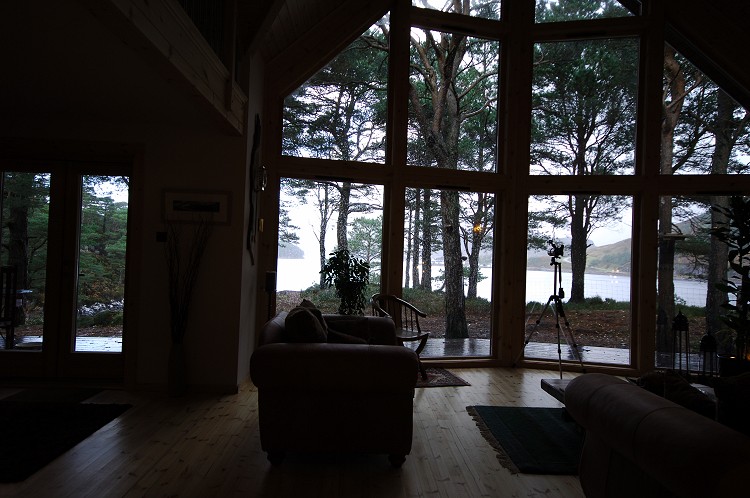
aperture priority matrix:
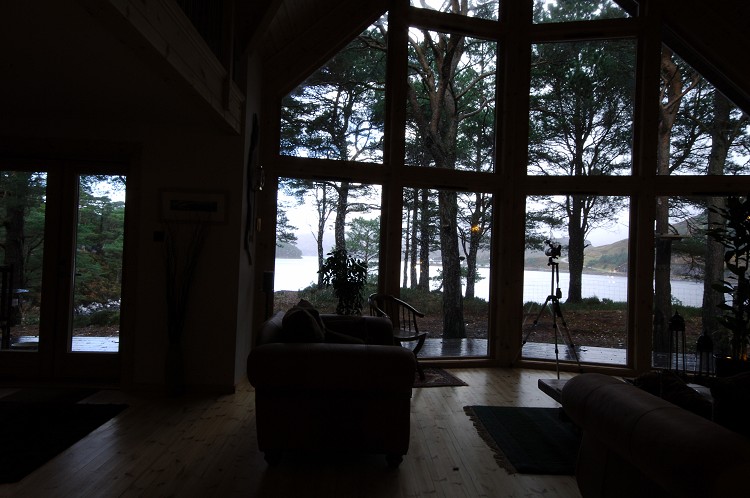
zone system (exposed for the sofa):
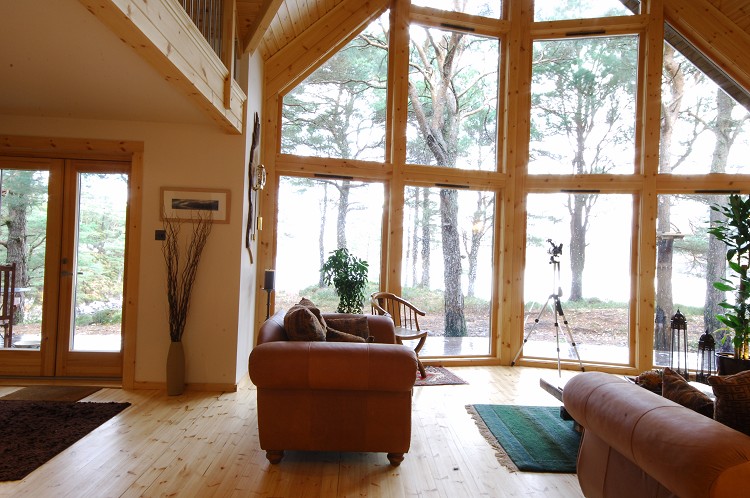
The highlights are way to blown, and it might have been a better exposure if it were half to a full stop lower.
this is pretty much an impossible photo without proper lighting: a backlit, very high contrast scene:
program mode matrix:
aperture priority matrix:
zone system (exposed for the sofa):
The highlights are way to blown, and it might have been a better exposure if it were half to a full stop lower.
Blimey. Steve needs to get the builders back, nasty case of subsidence there  .
The first thing you should know is that the film's exposure latitude is not fixed, but varies depending on how you develop it: a shorter development time will yeld a decrease in contrast and will help to retain detail in the highlights, while a longer development will yeld an increase in contrast.
That's right. When you talk about the zone system it's important to understand that Ansel Adams processed his films depending on the tonal range he recorded in the scene. This is easier to do with B&W sheet film, tricky with roll film (unless all your shots have the same tonal range). B&W printing also has the advantage of graded papers or multigrade. Colour film's a git. The process is much more finely controlled. You could adjust the dev time, which would change the contrast, but the colours would all go wonky (might be quite interesting though). But, unless you're going to set up your own E6 or C41 line (messy, expensive), it's unlikely you could get a pro lab to adjust the process for you. They spend a lot of time getting the chemistry and process neutral. So you're stuck with what you can do in camera, like grad filters for landscapes and in the case of interiors, lighting.
Be careful, this applies to negatives. Very important not to overexpose your highlights with reversal film (assuming you want to keep the detail in them and they are not specular highlights). This also applies to digital.
Understanding exposure and getting it right with film, makes digital a walk in the park. However, you still need to understand your scene and what areas you want to hold detail in. The beauty of digital in the large dynamic range (up to 12 stops with digital 16 bit backs) so you can process your files and squeeze all that loverly tonal range out (RAW only of course, forget sh!tty jpgs).
Many years ago I did a workshop in Switzerland, not the zone system but careful metering for reproduction in print (magazines etc.) With professional photography, ultimately, you have to make the client happy. It's no good just making nice transparencies if they won't print correctly because the tonal range exceed the range of the press. For the ultimate in in-camera spot metering we used this little system:

Although we did all our tests on the slightly larger 8X10 Polaroid. Just the thing if you want to win a dick waving contest and cracking quality, but might prove a little tricky to drag around the Highlands .

. scalper said:
The first thing you should know is that the film's exposure latitude is not fixed, but varies depending on how you develop it: a shorter development time will yeld a decrease in contrast and will help to retain detail in the highlights, while a longer development will yeld an increase in contrast.
That's right. When you talk about the zone system it's important to understand that Ansel Adams processed his films depending on the tonal range he recorded in the scene. This is easier to do with B&W sheet film, tricky with roll film (unless all your shots have the same tonal range). B&W printing also has the advantage of graded papers or multigrade. Colour film's a git. The process is much more finely controlled. You could adjust the dev time, which would change the contrast, but the colours would all go wonky (might be quite interesting though). But, unless you're going to set up your own E6 or C41 line (messy, expensive), it's unlikely you could get a pro lab to adjust the process for you. They spend a lot of time getting the chemistry and process neutral. So you're stuck with what you can do in camera, like grad filters for landscapes and in the case of interiors, lighting.
scalper said:
Once you undestand the basic principle that shadow densities are affected almost exclusively by exposure, and that highlight densities are affected almost exclusively by development there will be a whole lot of possibilities to control exaclty how you photographs will turn out
Be careful, this applies to negatives. Very important not to overexpose your highlights with reversal film (assuming you want to keep the detail in them and they are not specular highlights). This also applies to digital.
Understanding exposure and getting it right with film, makes digital a walk in the park. However, you still need to understand your scene and what areas you want to hold detail in. The beauty of digital in the large dynamic range (up to 12 stops with digital 16 bit backs) so you can process your files and squeeze all that loverly tonal range out (RAW only of course, forget sh!tty jpgs).
Many years ago I did a workshop in Switzerland, not the zone system but careful metering for reproduction in print (magazines etc.) With professional photography, ultimately, you have to make the client happy. It's no good just making nice transparencies if they won't print correctly because the tonal range exceed the range of the press. For the ultimate in in-camera spot metering we used this little system:
Although we did all our tests on the slightly larger 8X10 Polaroid. Just the thing if you want to win a dick waving contest and cracking quality, but might prove a little tricky to drag around the Highlands
. Edited by Bacardi on Saturday 11th November 16:31
Edited by Bacardi on Saturday 11th November 16:32
Bacardi said:
That's right. When you talk about the zone system it's important to understand that Ansel Adams processed his films depending on the tonal range he recorded in the scene. This is easier to do with B&W sheet film, tricky with roll film (unless all your shots have the same tonal range). B&W printing also has the advantage of graded papers or multigrade. Colour film's a git. The process is much more finely controlled. You could adjust the dev time, which would change the contrast, but the colours would all go wonky (might be quite interesting though). But, unless you're going to set up your own E6 or C41 line (messy, expensive), it's unlikely you could get a pro lab to adjust the process for you. They spend a lot of time getting the chemistry and process neutral. So you're stuck with what you can do in camera, like grad filters for landscapes and in the case of interiors, lighting.
for roll film, if you are shooting MF, you can always use three different backs for N, N+1, and N-1
With color film it's certainly more difficult than with b&w
Although I've never tried it since I shoot almost entirely b&w, I think that most color films can be pulled or pushed by about one stop without affecting the color balance. Am I wrong?
Bacardi said:
scalper said:
Once you undestand the basic principle that shadow densities are affected almost exclusively by exposure, and that highlight densities are affected almost exclusively by development there will be a whole lot of possibilities to control exaclty how you photographs will turn out
Be careful, this applies to negatives. Very important not to overexpose your highlights with reversal film (assuming you want to keep the detail in them and they are not specular highlights).
of course
but with reversal film you simply have to reverse that principle: expose for the highlights and develop for the shadows (or let them fall whereever they will if you have no control over development)
Bacardi said:
The beauty of digital in the large dynamic range (up to 12 stops with digital 16 bit backs) so you can process your files and squeeze all that loverly tonal range out (RAW only of course, forget sh!tty jpgs).
12 stops?

is that from a single shot back or from a scanning back?
Bacardi said:
For the ultimate in in-camera spot metering we used this little system:
http://homepage.mac.com/paulbarker/.P
http://homepage.mac.com/paulbarker/.P
lovely

Bacardi said:
Although we did all our tests on the slightly larger 8X10 Polaroid. Just the thing if you want to win a dick waving contest and cracking quality, but might prove a little tricky to drag around the Highlands .
http://homepage.mac.com/paulbarker/.P
. http://homepage.mac.com/paulbarker/.P
I've never ever seen anything with so much bellows

it makes my 5x7 look tiny


I guess it's time to get a nice 16x20


fergusd said:
The contrast compression/expansion thing is interesting and cool for film, I guess PS is the digital equivalent . . .
Missing the boat by the time it gets to PS, Better to do it at the RAW stage.
scalper said:
for roll film, if you are shooting MF, you can always use three different backs for N, N+1, and N-1
Well you could, but sheet would make more sense.
scalper said:
Although I've never tried it since I shoot almost entirely b&w, I think that most color films can be pulled or pushed by about one stop without affecting the color balance. Am I wrong?
No, you are not wrong (I'm rusty with this film lark, I didn't think about pushing). You can push and pull with colour (pulling's a waste of time if you've blown the highlights though) You can push tranny 2, or at a push (pardon the pun) 3 stops. It does push the contrast and increases grain but not quite in the same way as B&W.
scalper said:
12 stops?
is that from a single shot back or from a scanning back?
Single.
scalper said:
I've never ever seen anything with so much bellows
With through the lens metering, at least we didn't have to measure them and work out bellows extension.
scalper said:
it makes my 5x7 look tiny
Nice, what is it?
Bacardi said:
scalper said:
12 stops?
is that from a single shot back or from a scanning back?
Single.
amazing
if digital keeps improving at such a fast rate, in a couple of decades it might even become better than film

Bacardi said:
scalper said:
I've never ever seen anything with so much bellows
With through the lens metering, at least we didn't have to measure them and work out bellows extension.

Bacardi said:
scalper said:
it makes my 5x7 look tiny
Nice, what is it?
it's a Nagaoka: made in Japan in the early 80s
very limited movements, extremely filmsy, and a ridiculously short (350mm) bellows extension
however as it weights only 1.6kg and is more compact than most 4x5 it is without doubt the best 5x7 camera for backpacking and traveling light

scalper said:
Bacardi said:
scalper said:
12 stops?
is that from a single shot back or from a scanning back?
Single.
amazing
if digital keeps improving at such a fast rate, in a couple of decades it might even become better than film
You never know
 . I should have said 'both'. I'm sure scanning backs have the same sort of DR.
scalper said:
it's a Nagaoka: made in Japan in the early 80s
very limited movements, extremely filmsy, and a ridiculously short (350mm) bellows extension
however as it weights only 1.6kg and is more compact than most 4x5 it is without doubt the best 5x7 camera for backpacking and traveling light
very limited movements, extremely filmsy, and a ridiculously short (350mm) bellows extension
however as it weights only 1.6kg and is more compact than most 4x5 it is without doubt the best 5x7 camera for backpacking and traveling light
Not heard of Nagaoka. I do fancy a nice field camera just for the sake of having one, something like Gandolfi, Deardorff or Ebony. Although, some of the cheaper modern Japanese and Chinese makes are amazingly good value for money.
Can you still get 5x7 film?
Gassing Station | Photography & Video | Top of Page | What's New | My Stuff